







10 of the best value cars

Ben Custard
•
Affordable Driving

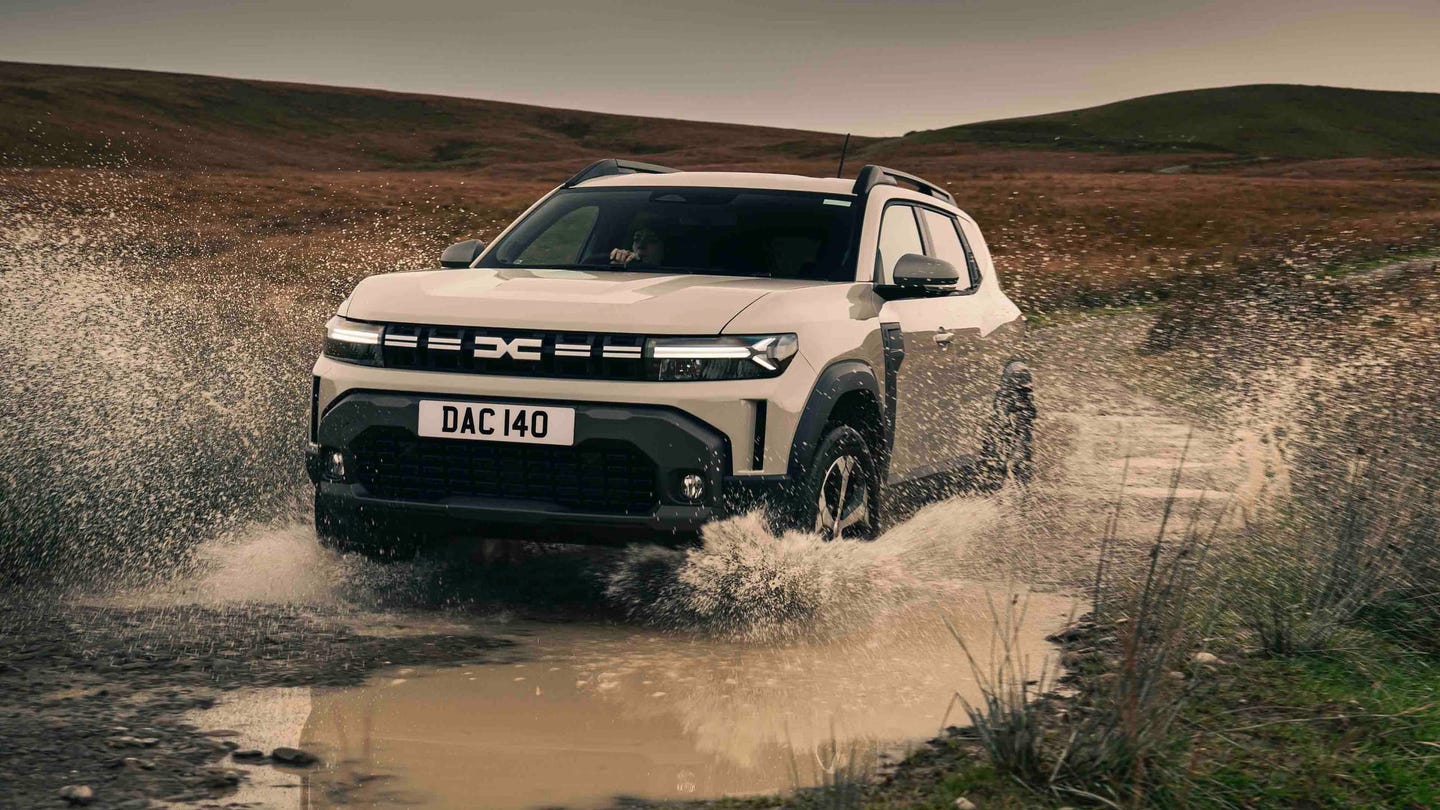
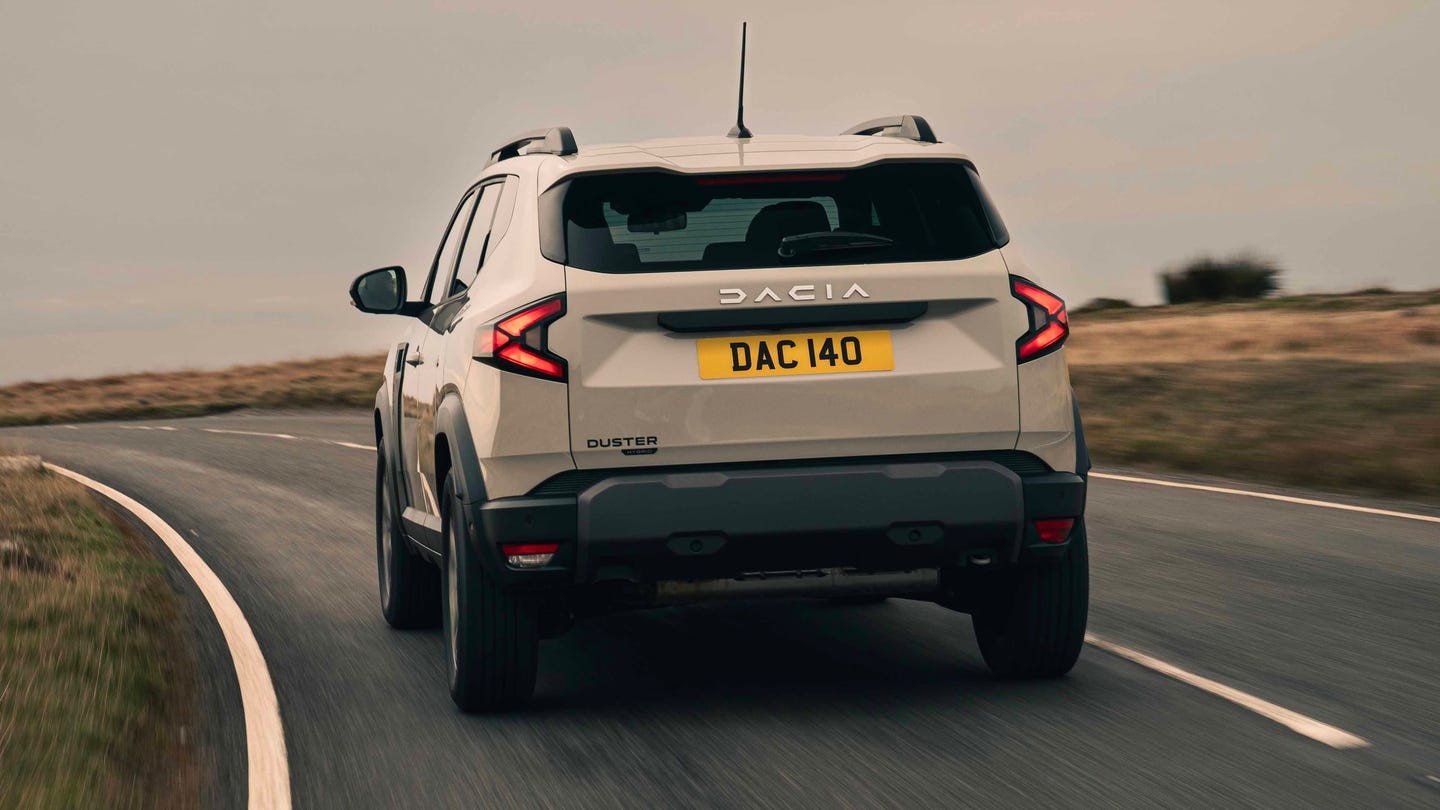
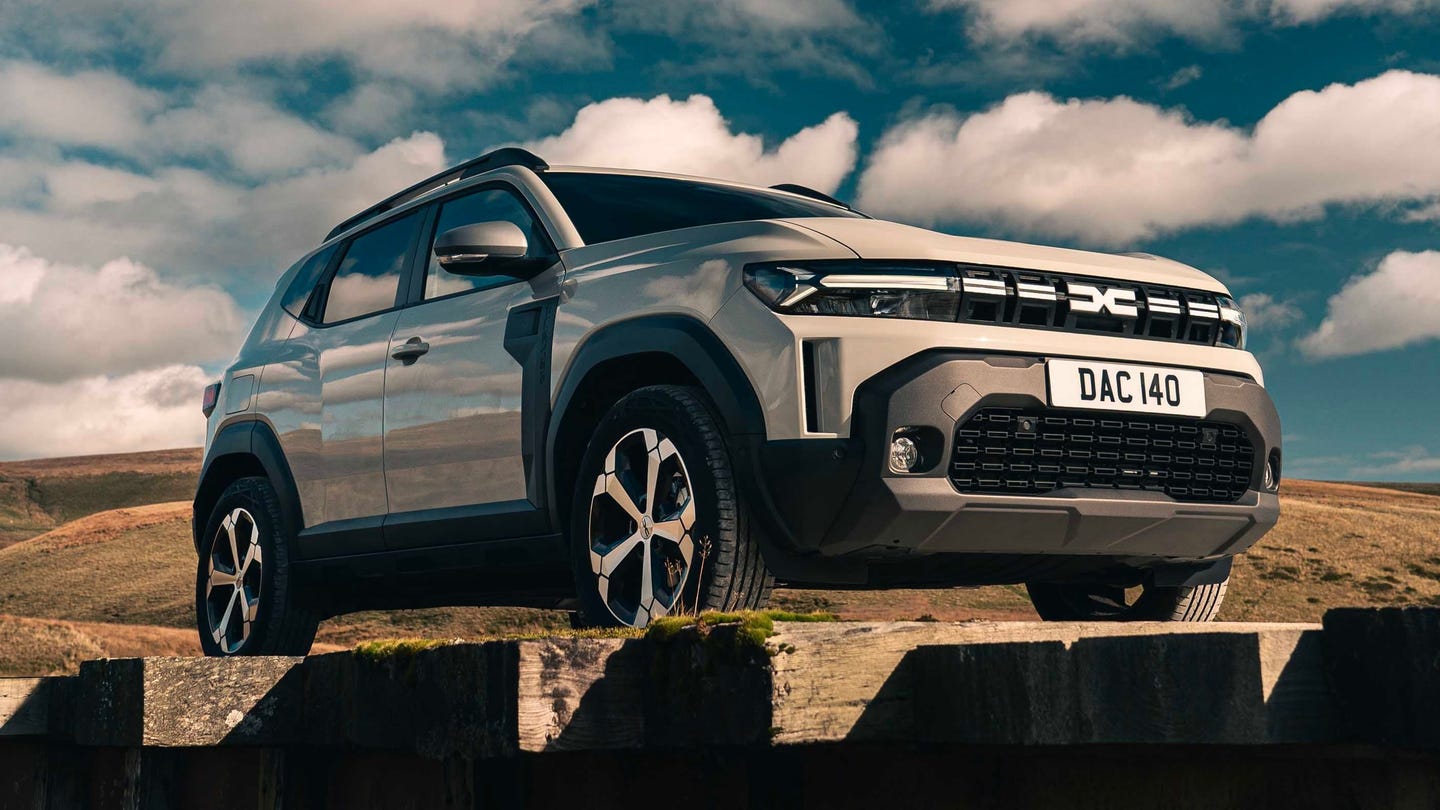
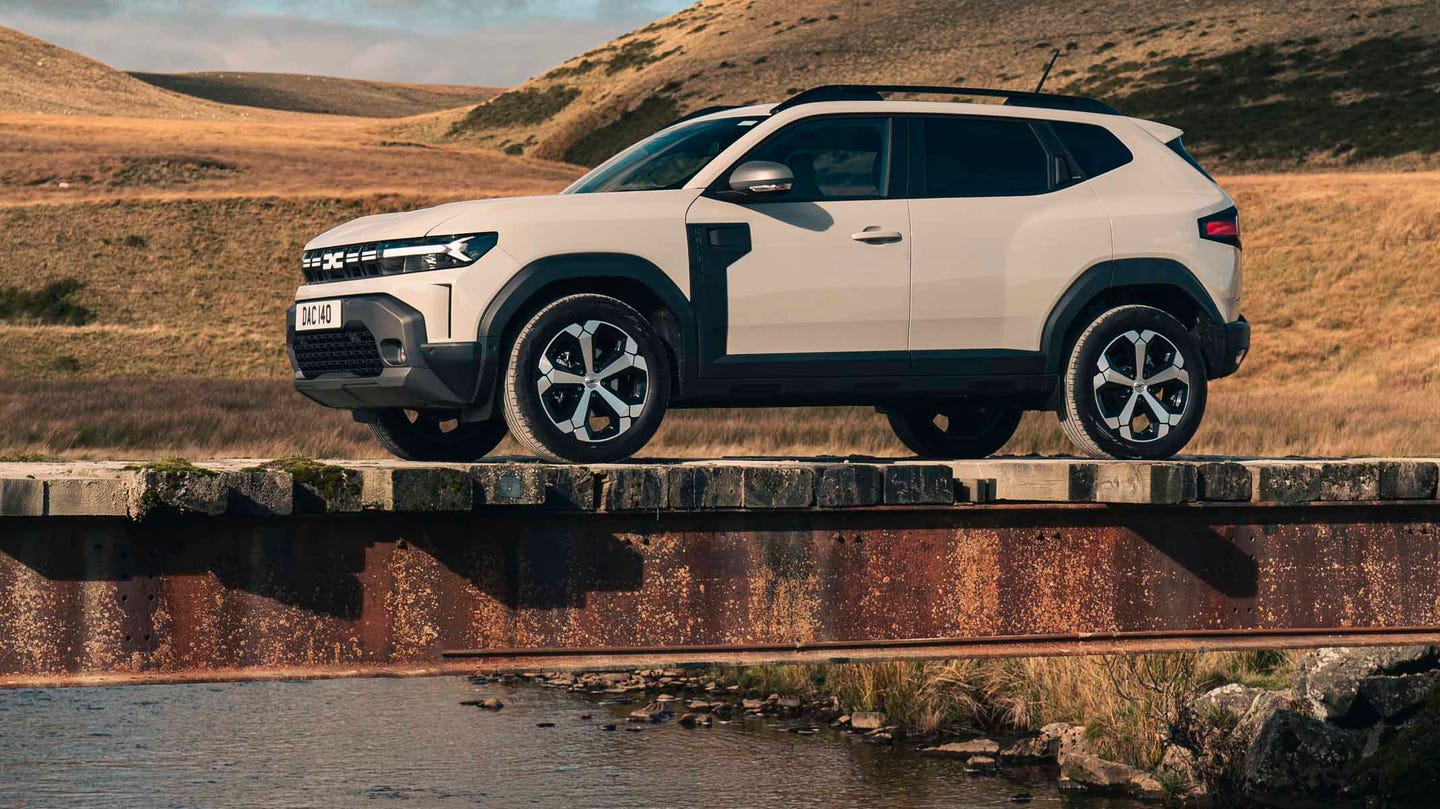
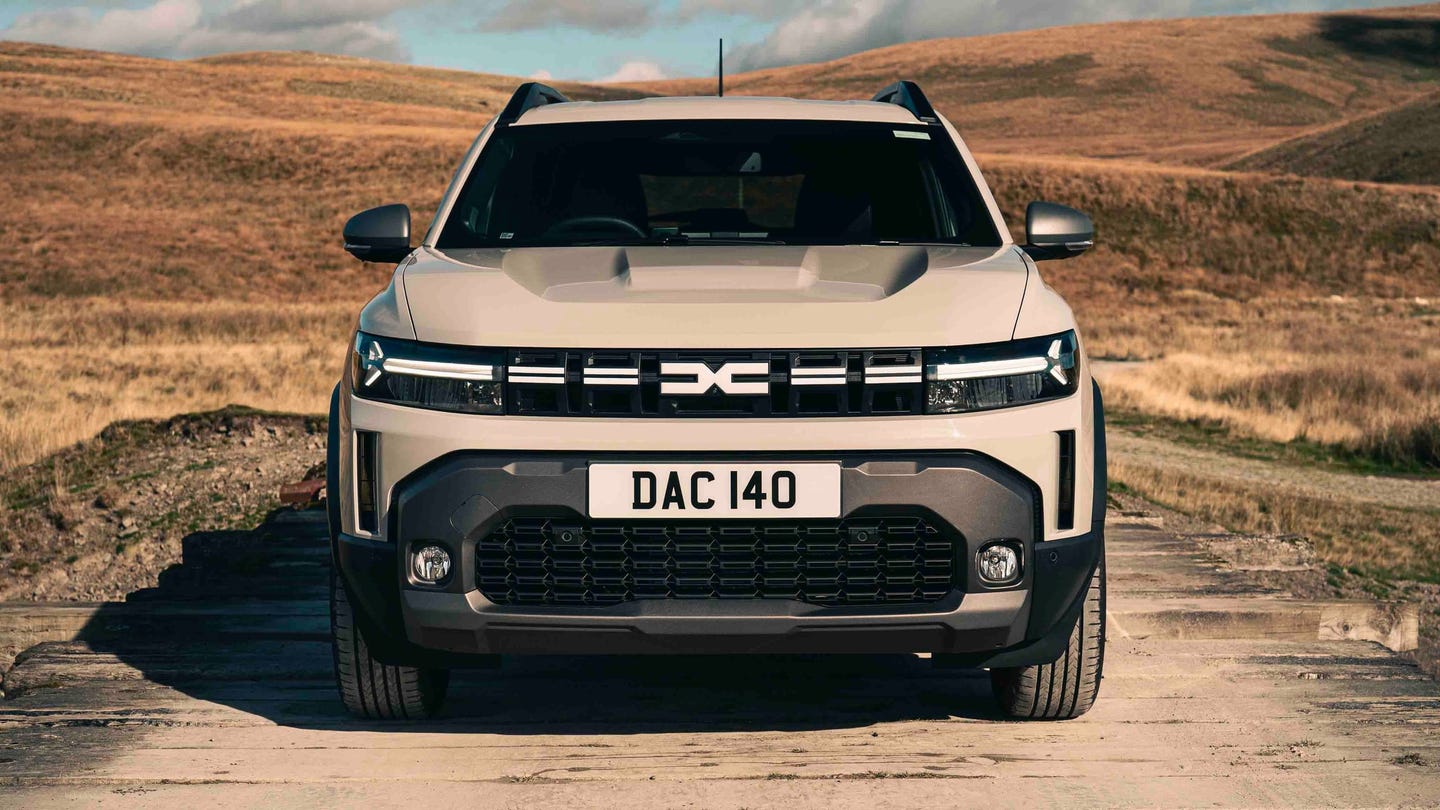
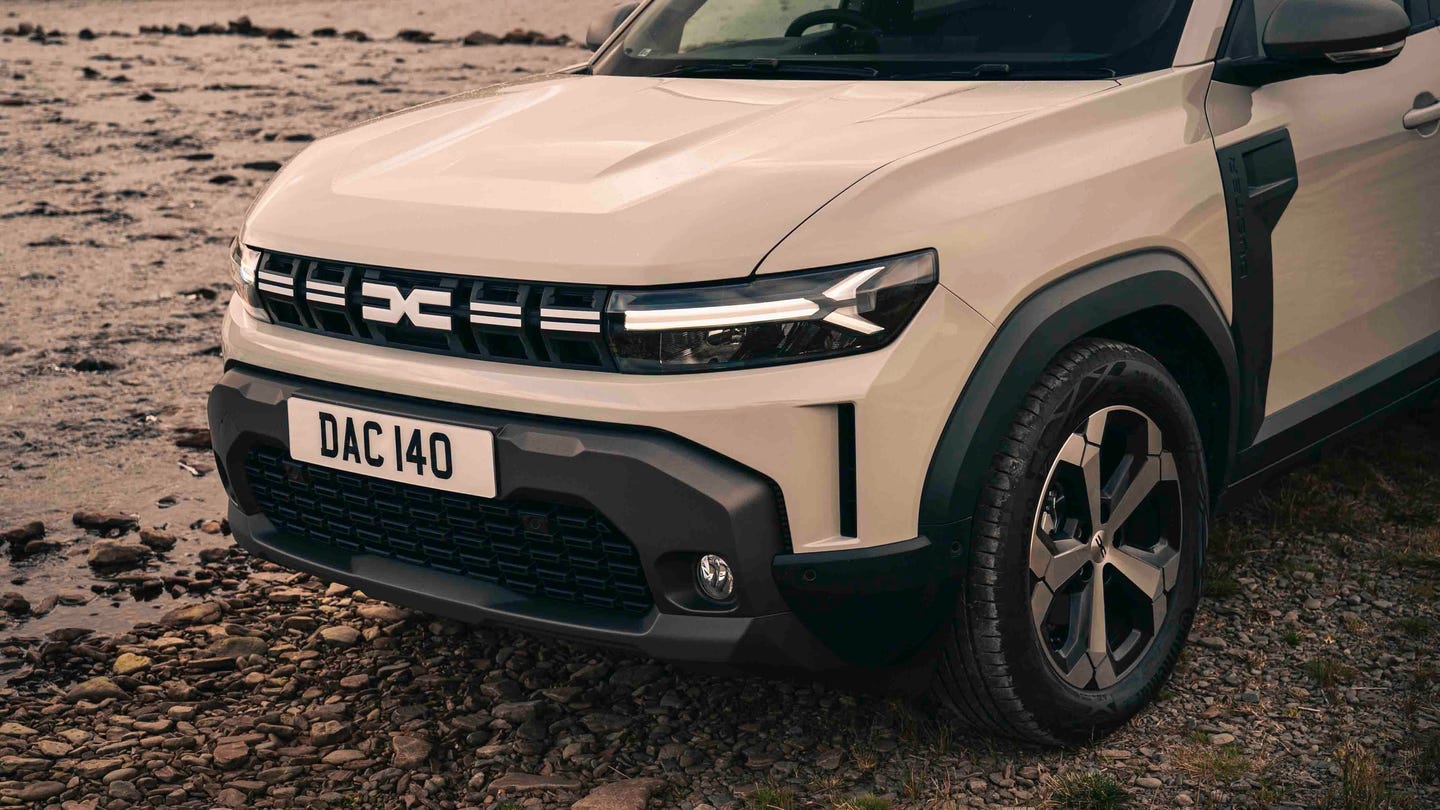
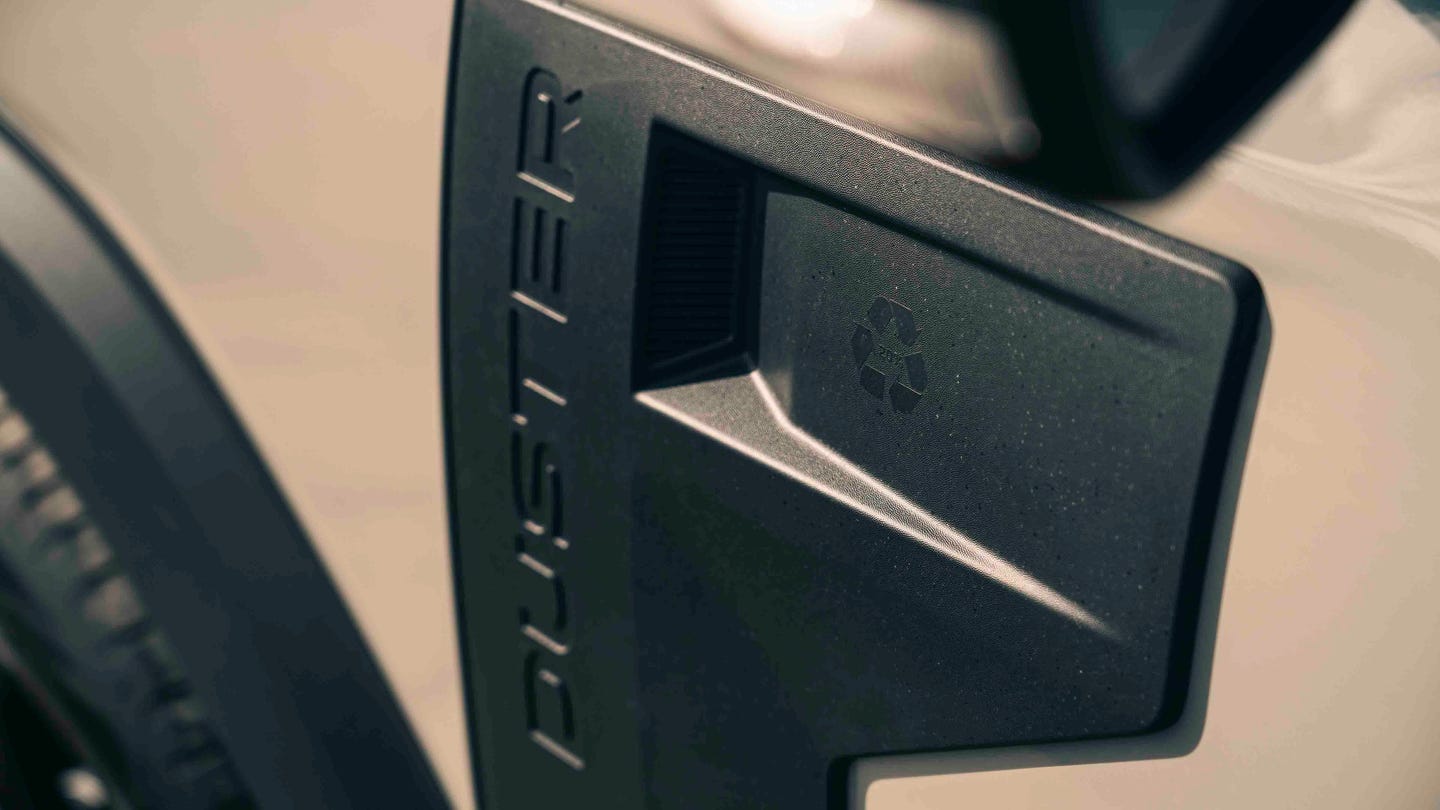
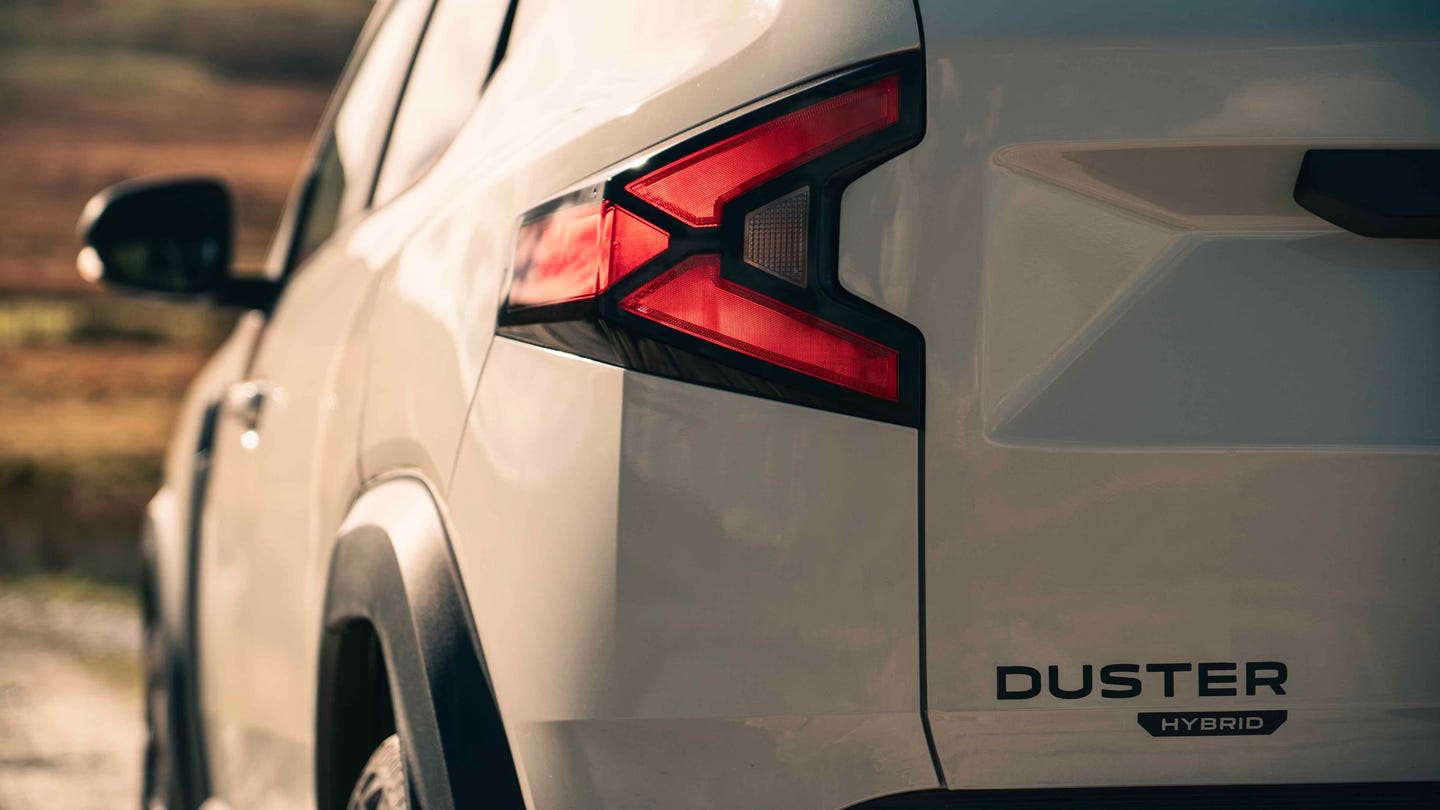
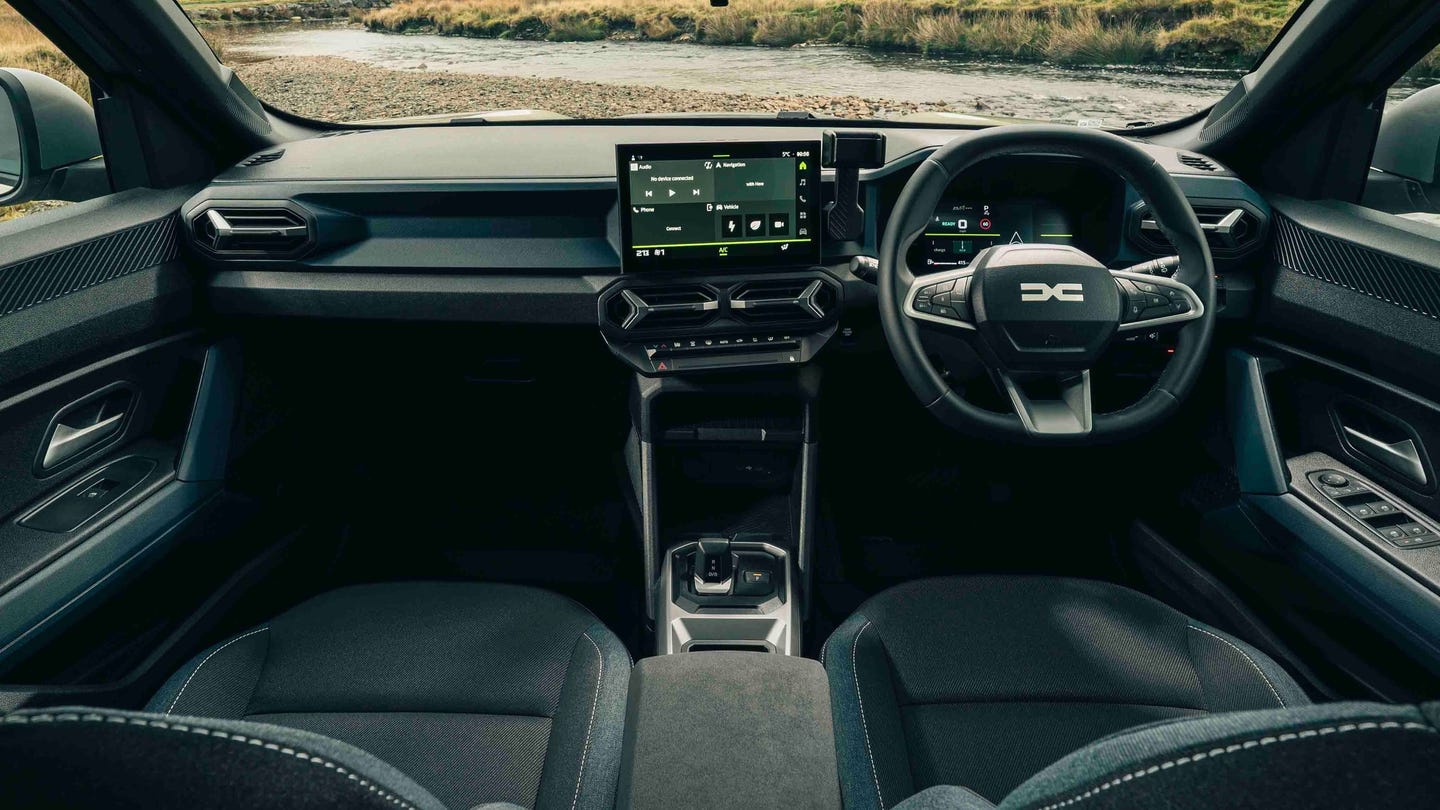
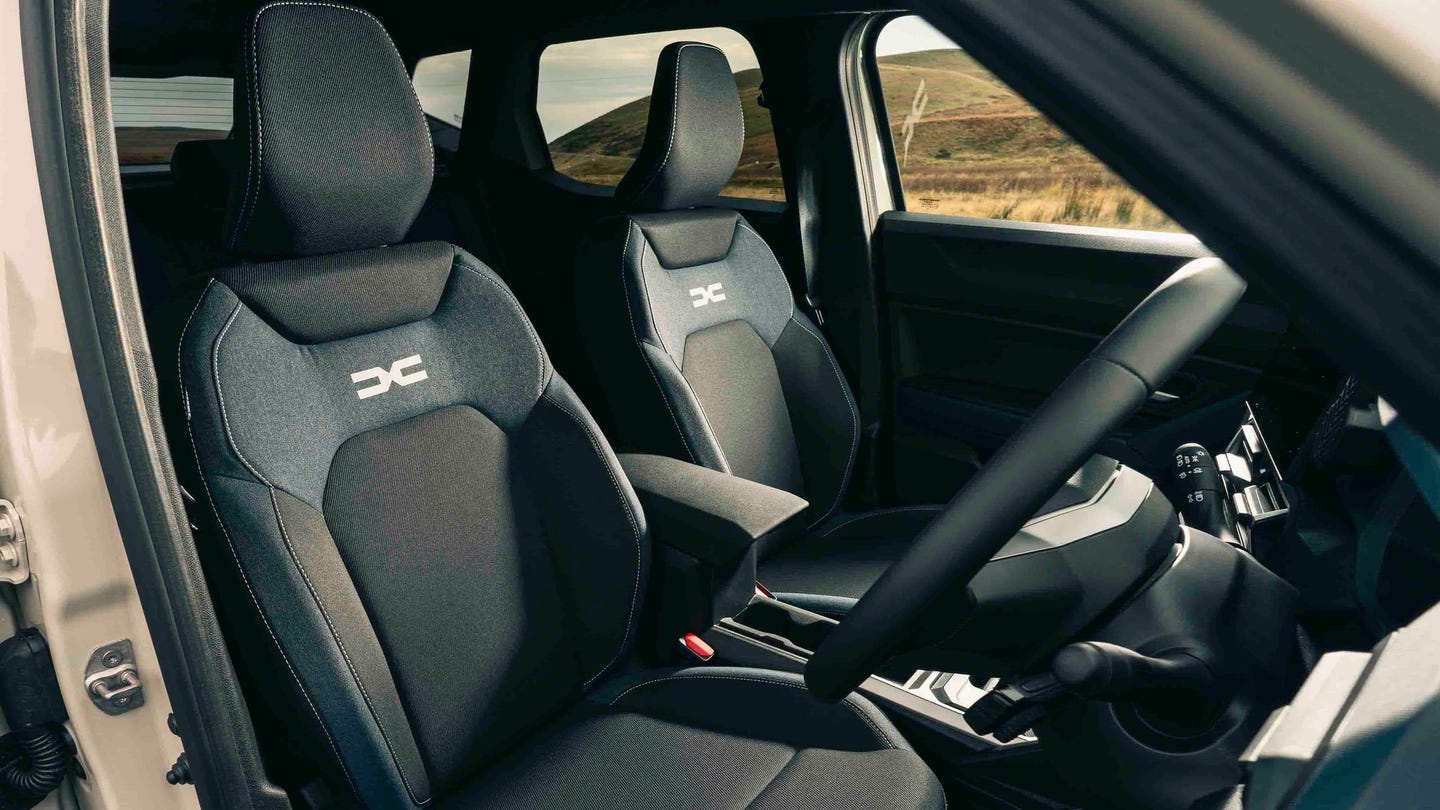
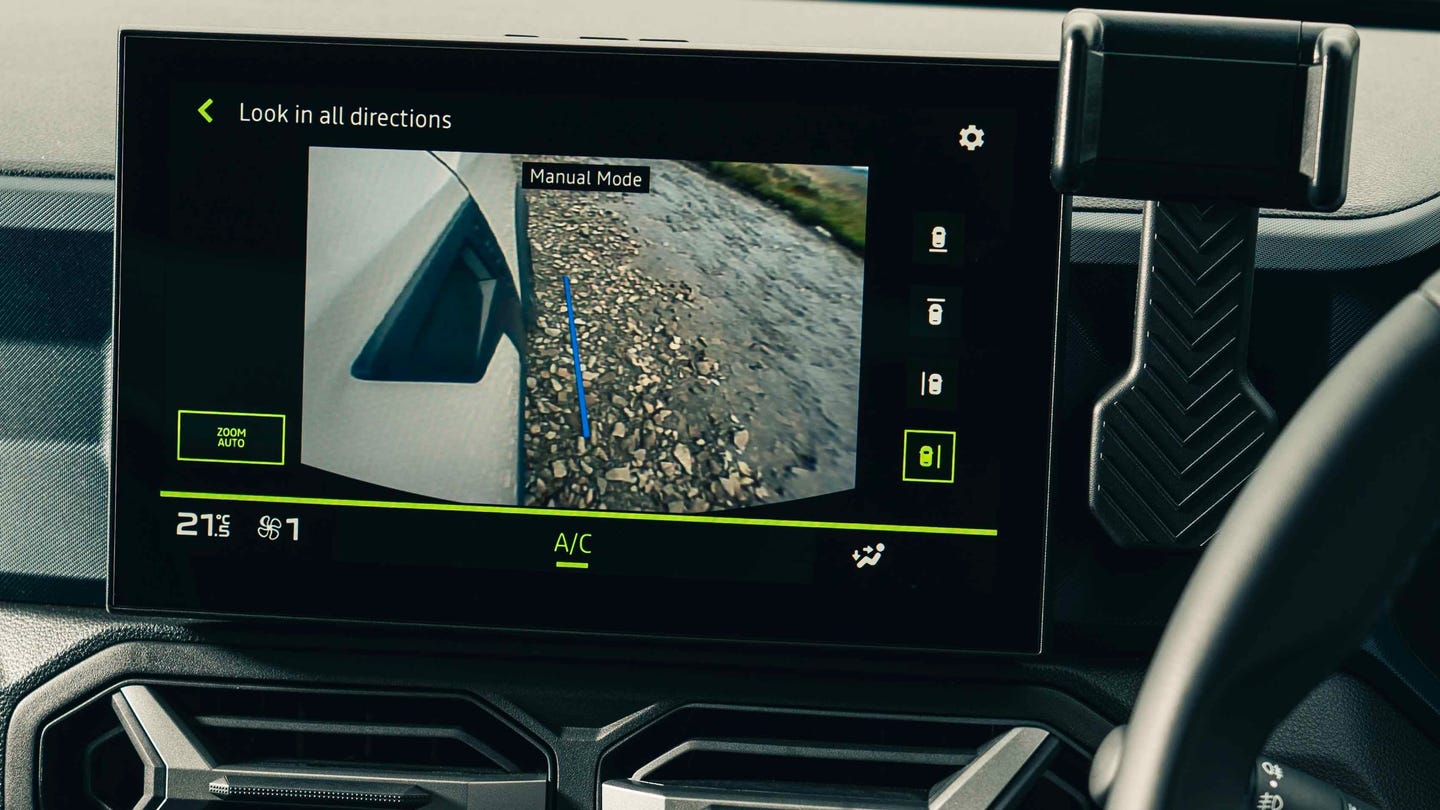
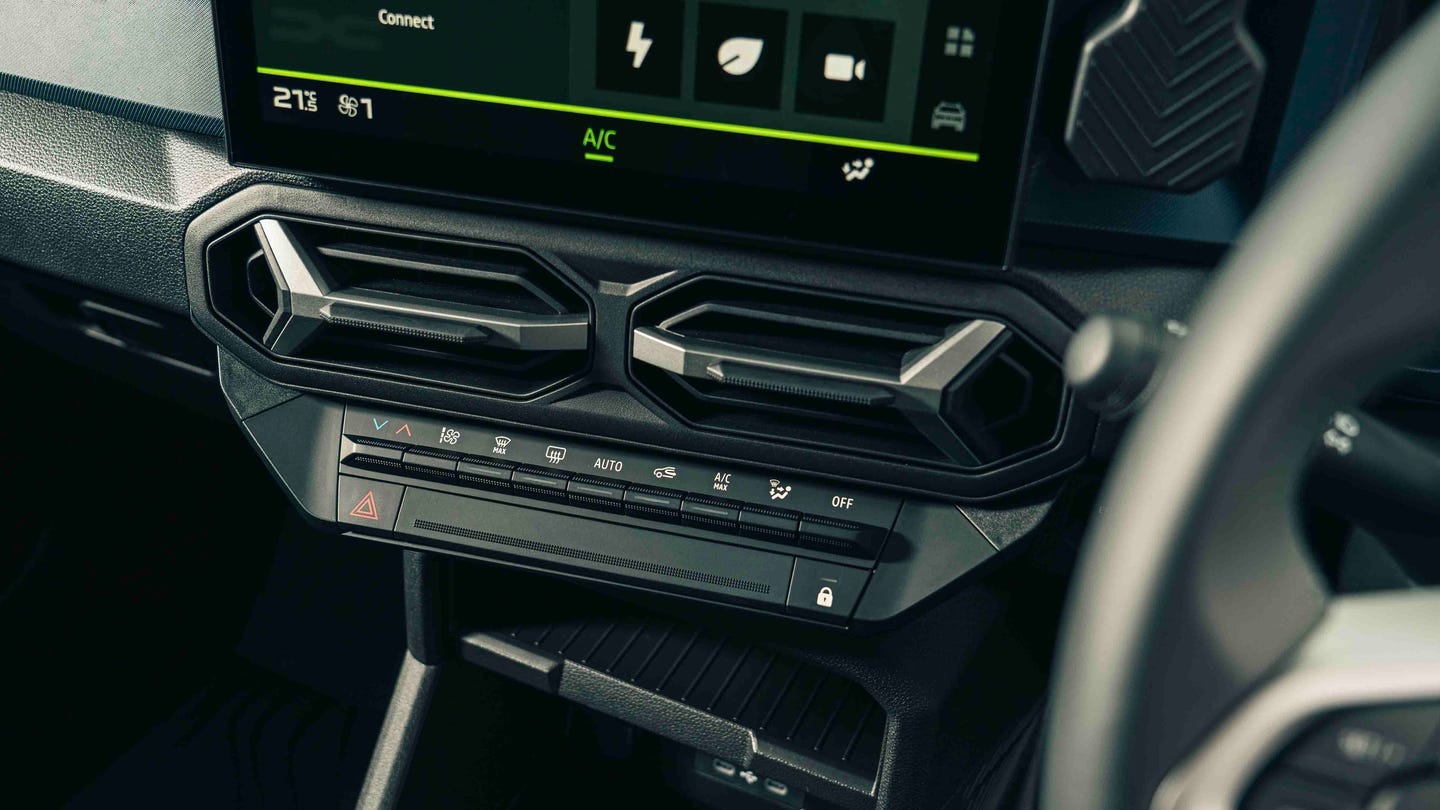
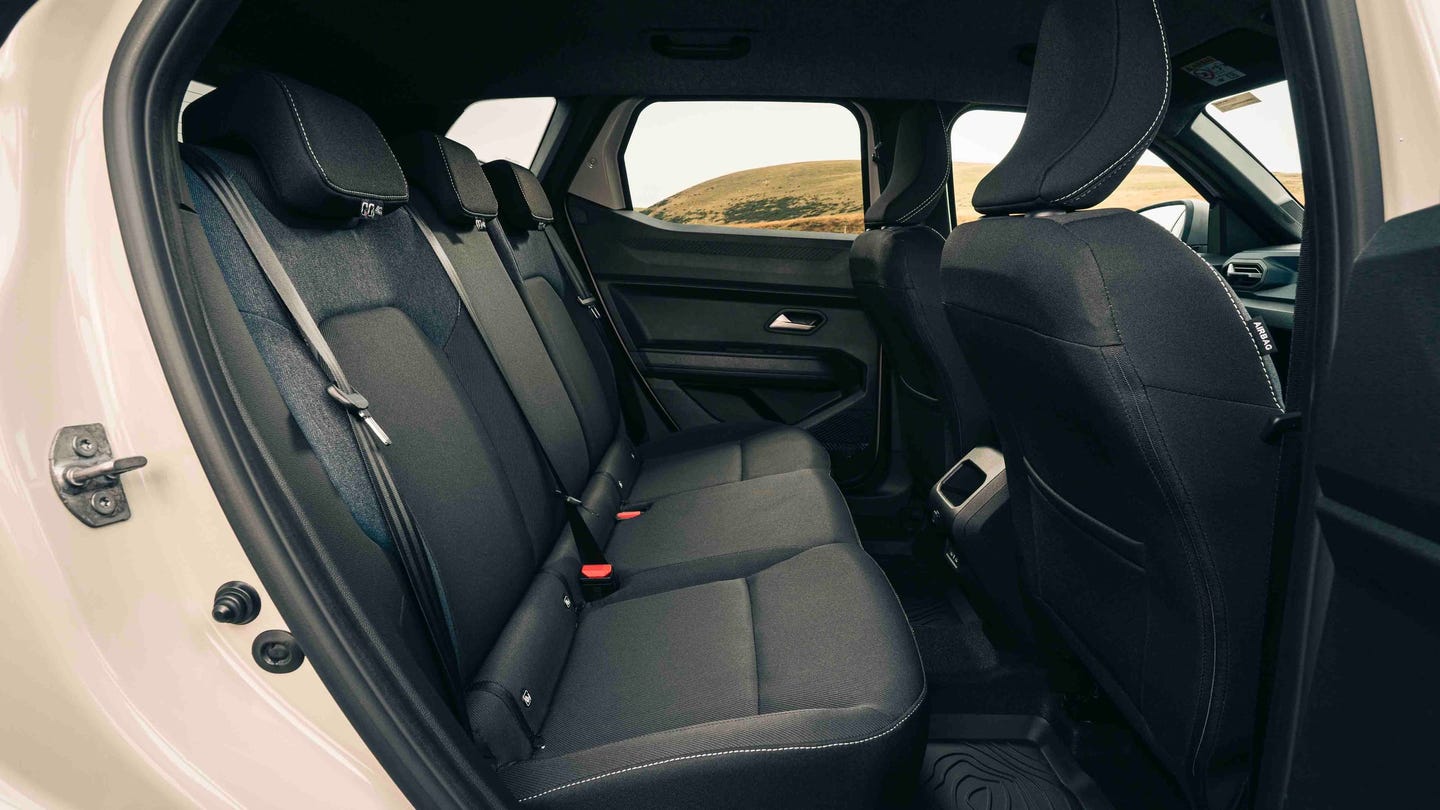
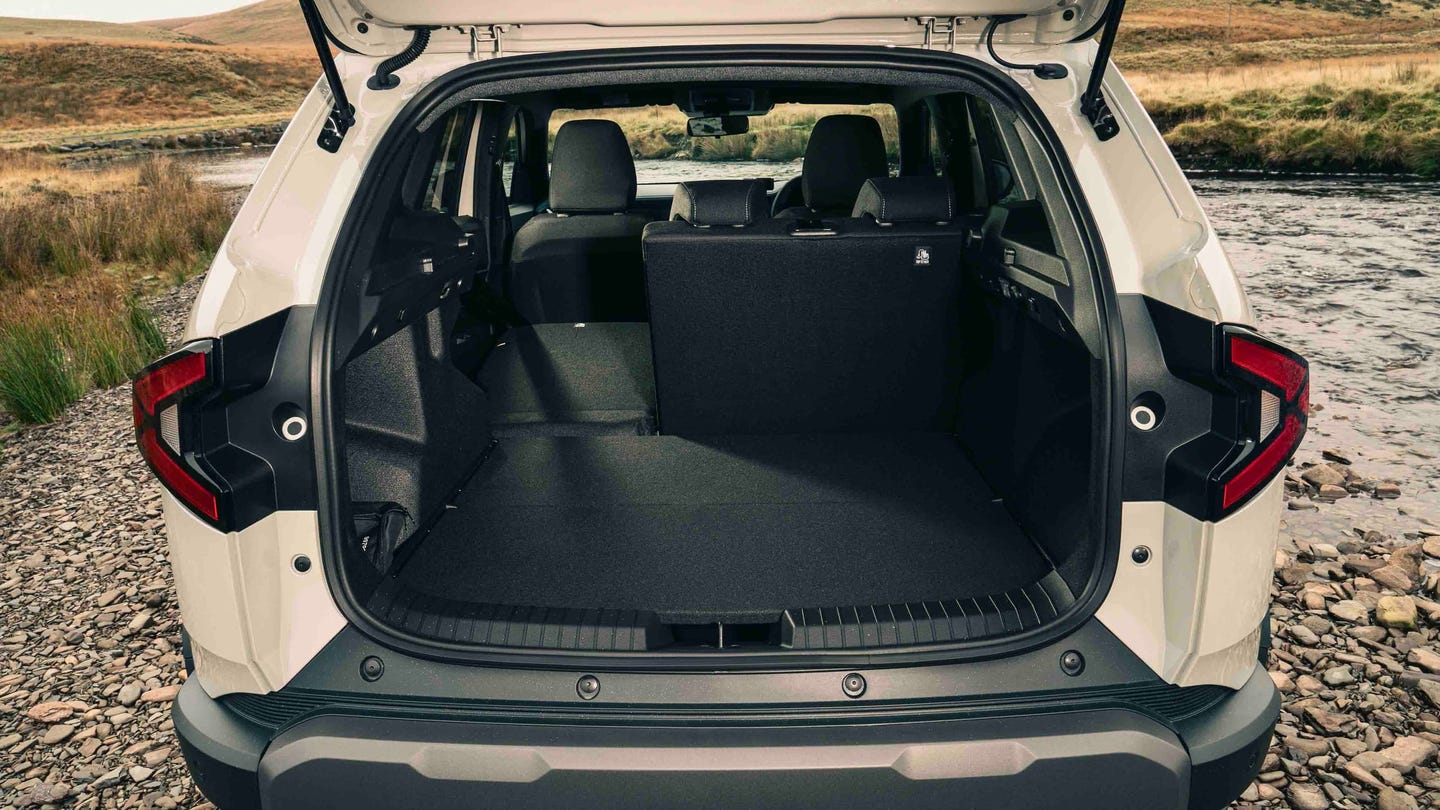
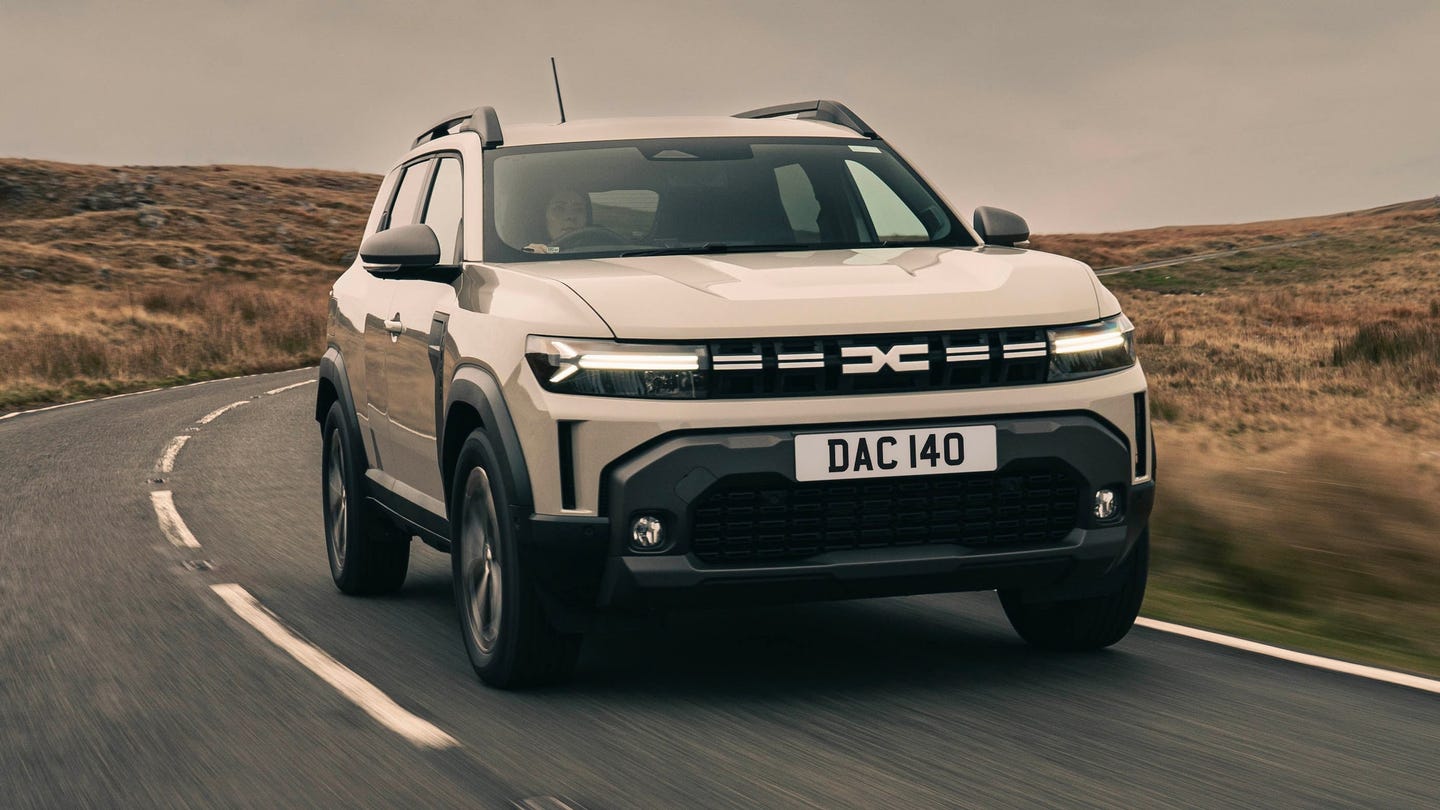
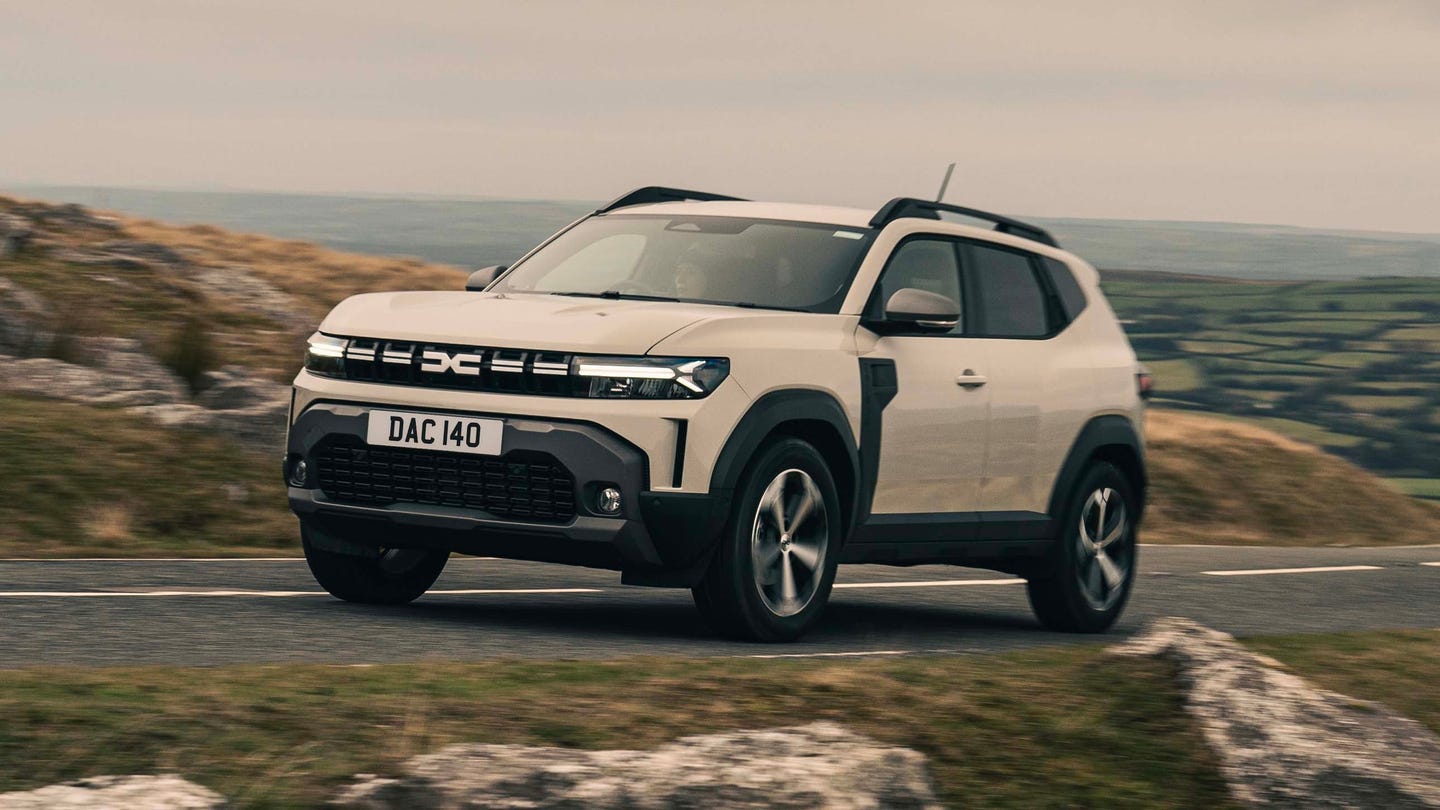
Take a look at the Dacia Duster’s 4x4 styling and you might think the car will be decent off-road but hopeless on it. Well, four-wheel drive is available with the hybrid engine and the Duster is decent off-road, but it’s also pleasantly capable on asphalt. Which is ideal, seeing as most Dusters are staunchly front-driven only.
The Duster looks like a road-crushing SUV but it weighs barely more than a Ford Fiesta, so it’s more agile than you might expect and could almost be described as ‘fun to drive’ down a country lane. Add in a snicky manual gearshift and the Duster is actually quite satisfying behind the wheel. The steering is light and numb, though.
There’s a fair bit of body roll, reminding you not to go over the top. Keep a relaxed pace and the Duster is a good companion.
The Duster isn’t the most comfortable SUV on the road, but it’s good enough in most situations and over most road surfaces. It deals with big bumps quite well and shouldn't leave you wincing if you hit a pothole. Over neglected stretches of road it gets quite busy and doesn’t settle into a rhythm, however.
While the Duster deals with bumps better than some premium cars, its inexpensive price is highlighted by the noise at speed. It’s not deafening, but the Duster’s soundproofing clearly isn’t as generous as costlier rivals. You might notice a bit of vibration at times, too.
In keeping with Dacia’s straightforward vibe, there are just two engines to pick. A 1.2-litre petrol engine is the cheaper of the two, and this is the one we’d choose to stop the Duster from being too expensive.
With 140hp and a small amount of electrical assistance, this gets from 0-62mph in a whisker under 10 seconds – more than quick enough to keep up with fast-moving traffic. Dacia might call it a mild hybrid, but it drives like a conventional petrol engine. Economy benefits are clear to see: this engine is expected to return over 50mpg.
As standard, this engine comes with front-wheel drive,. You can add four-wheel drive (including downhill speed control) to the hybrid engine to make the Duster as capable as it looks. Most buyers will be better off with two-wheel drive, however, because the extra driven wheels worsen the performance and fuel economy.

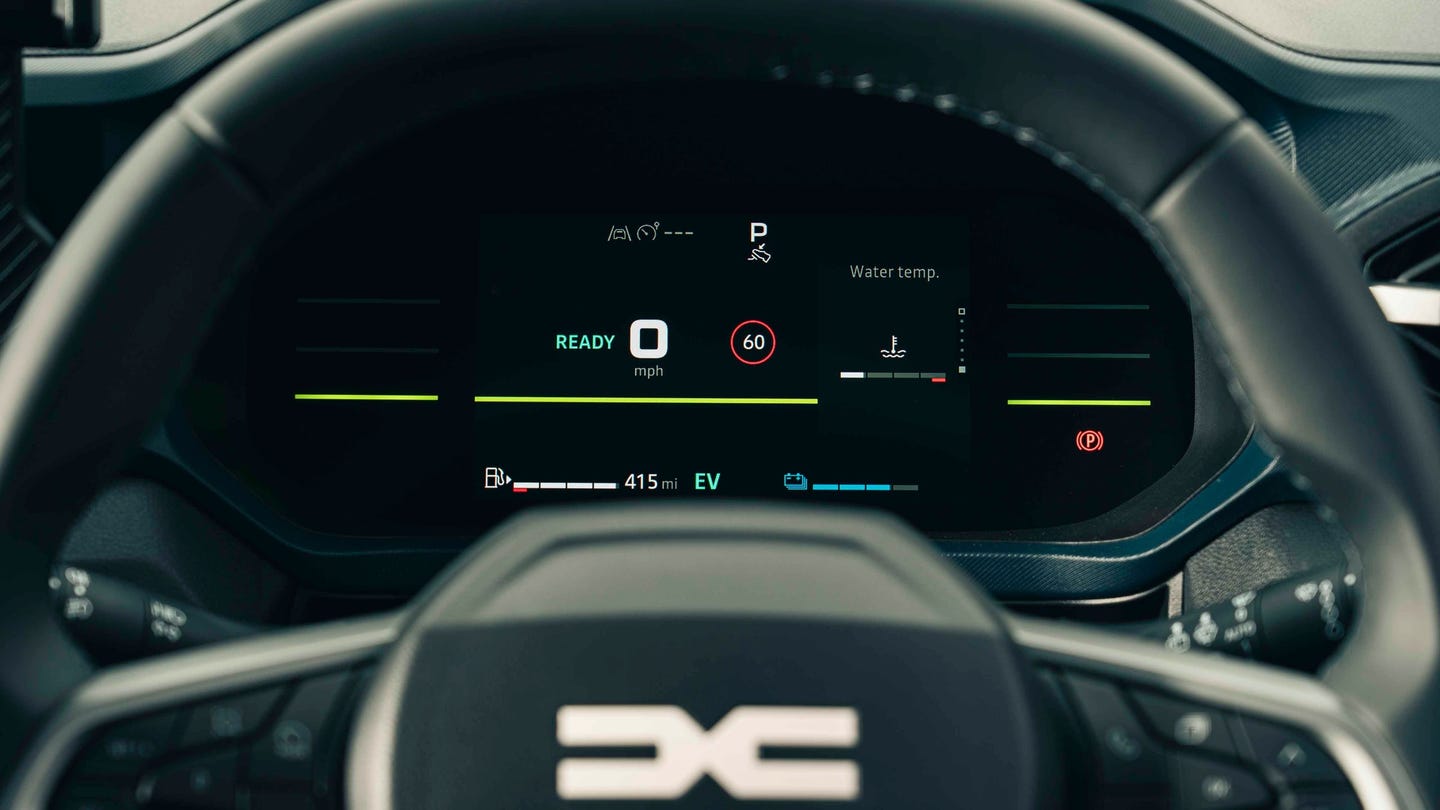
If you need an automatic gearbox, your only option is the 155hp hybrid engine. This doesn’t need to be plugged in – simply fill up the petrol tank as normal.
This engine will be at its most efficient around town, where the 1.2kWh battery can provide the oomph to drive on electric power for short periods. If you’re going to be doing a lot of driving on high-speed roads, the cheaper petrol engine may prove more efficient more of the time.
Planning on towing? The standard petrol engine has a maximum braked towing capacity of 1,500kg, while the hybrid can manage half of that.
No Duster is what you’d call fast, but both engines offer decent performance. There's no underpowered entry-level engine any more, and the Duster's 140hp petrol engine is plenty to get up to speed. The 0-62mph sprint takes 9.4 seconds, which is considerably brisker than any Duster that's come before.
That's matched by the 155hp hybrid, although the extra dollop of electrical power means the Duster can manage up to 61mpg – a hugely impressive figure for a blocky SUV. In comparison, the petrol returns up to 52mpg.
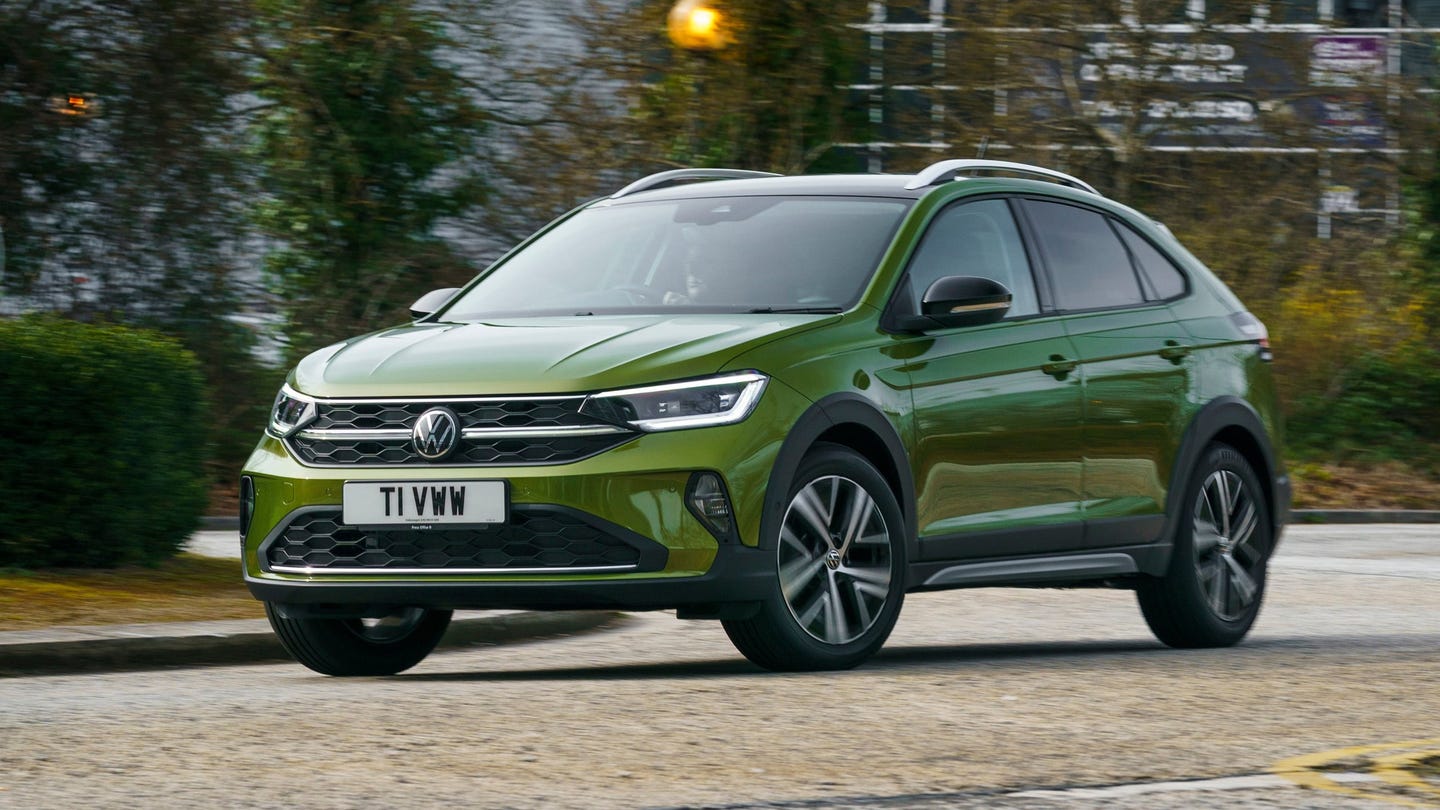
Practical Polo-based crossover is efficient and easy-going
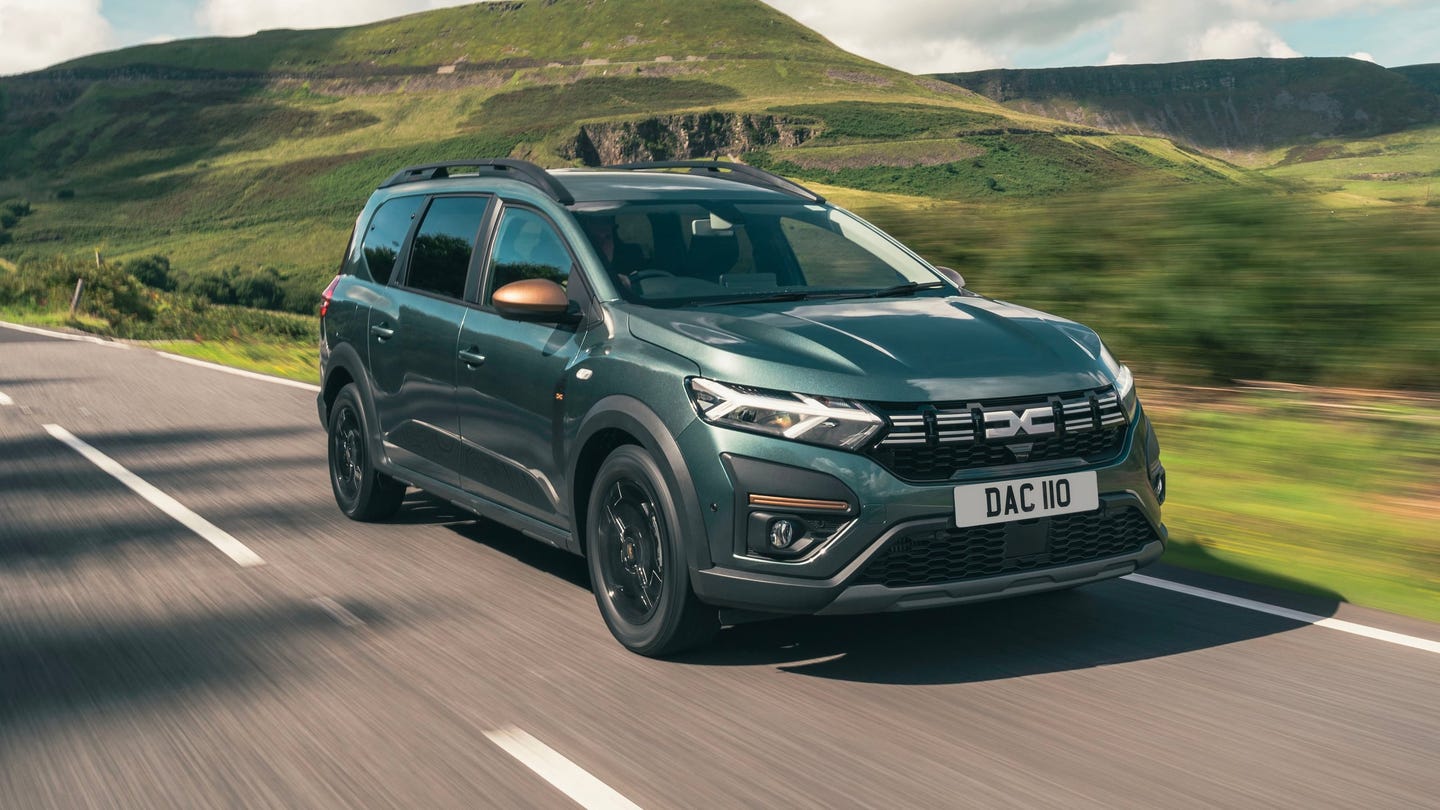
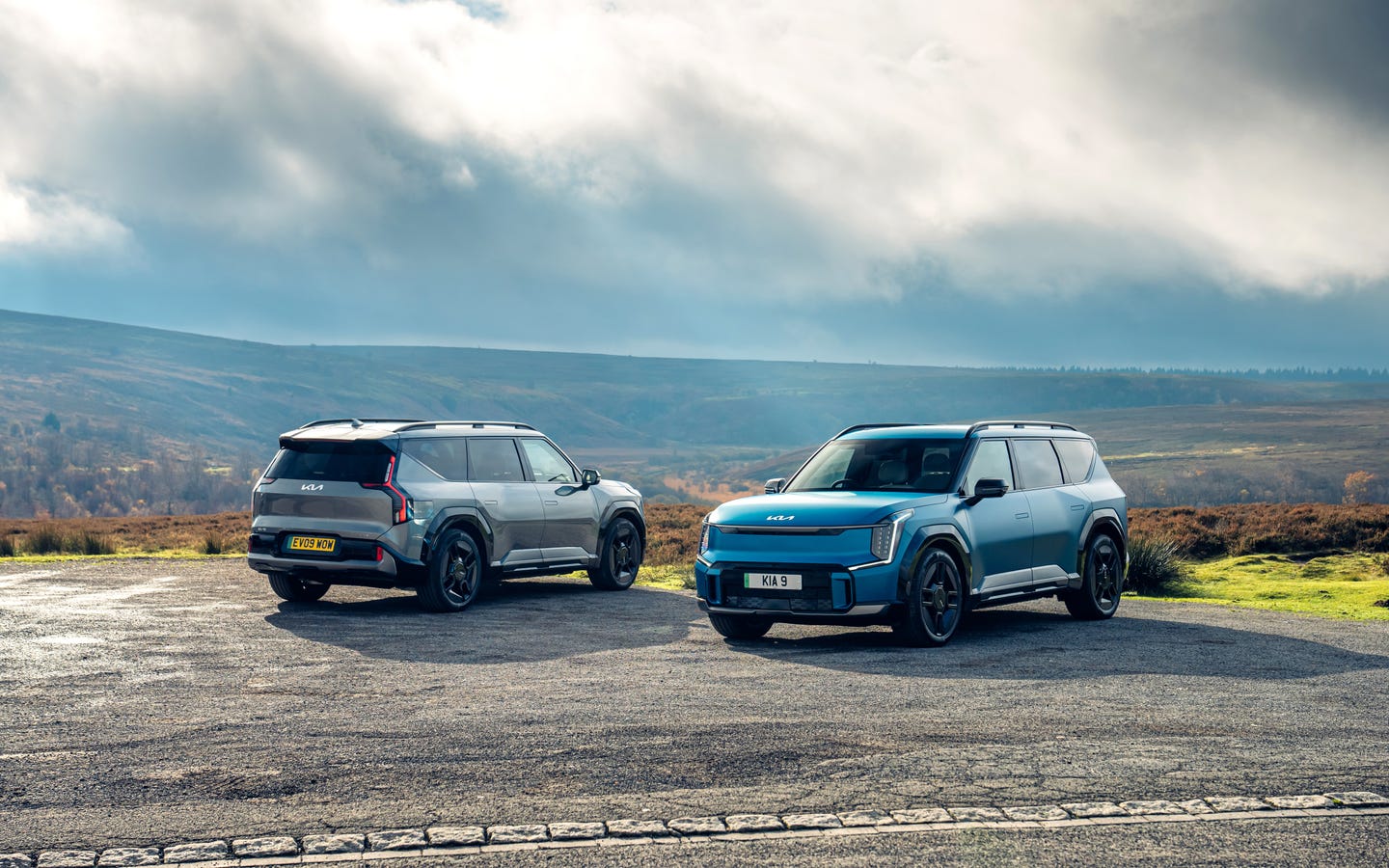
The best-value family car around – and it has seven seats as standard