





Dacia car and SUV range explained

Ben Custard
•
Manufacturer Guides

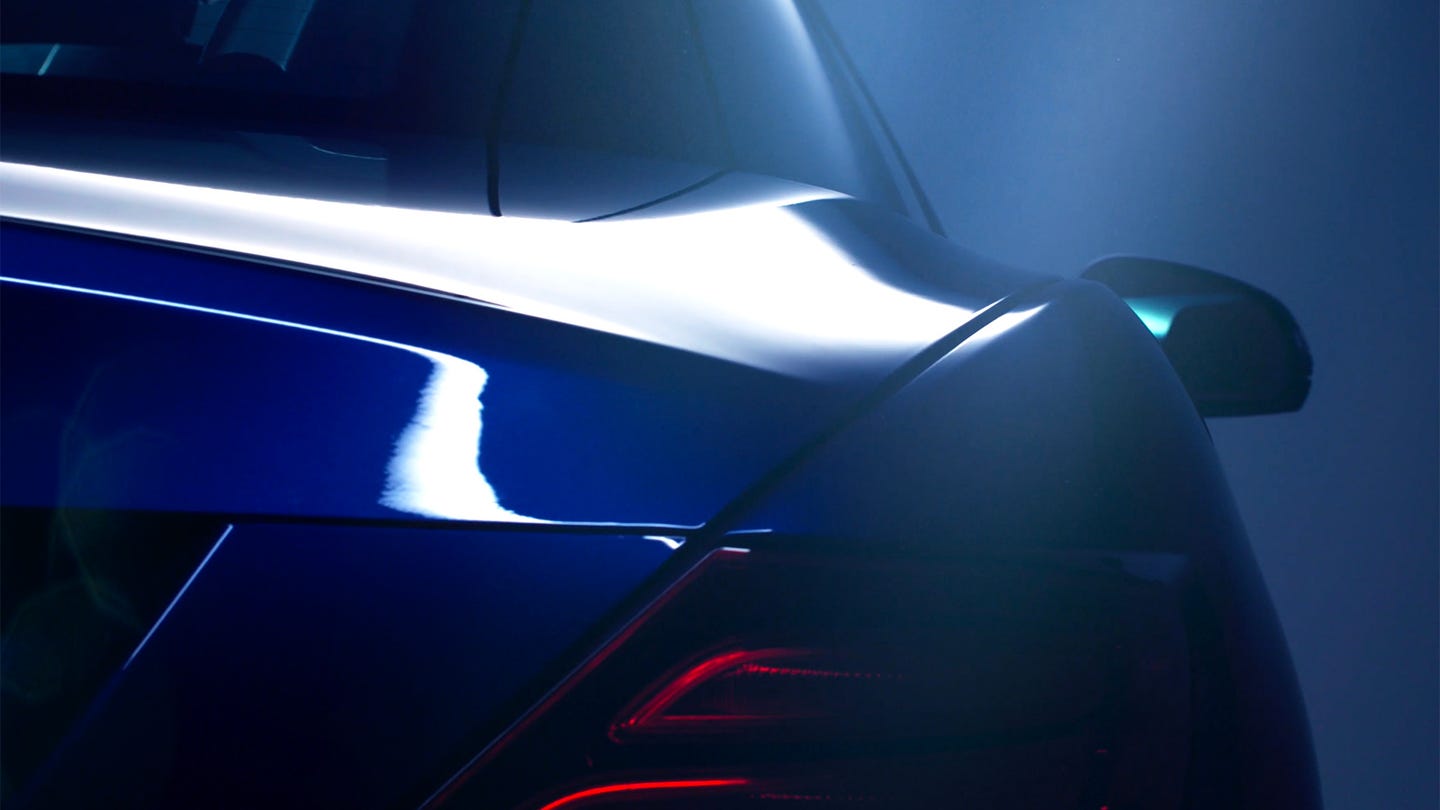
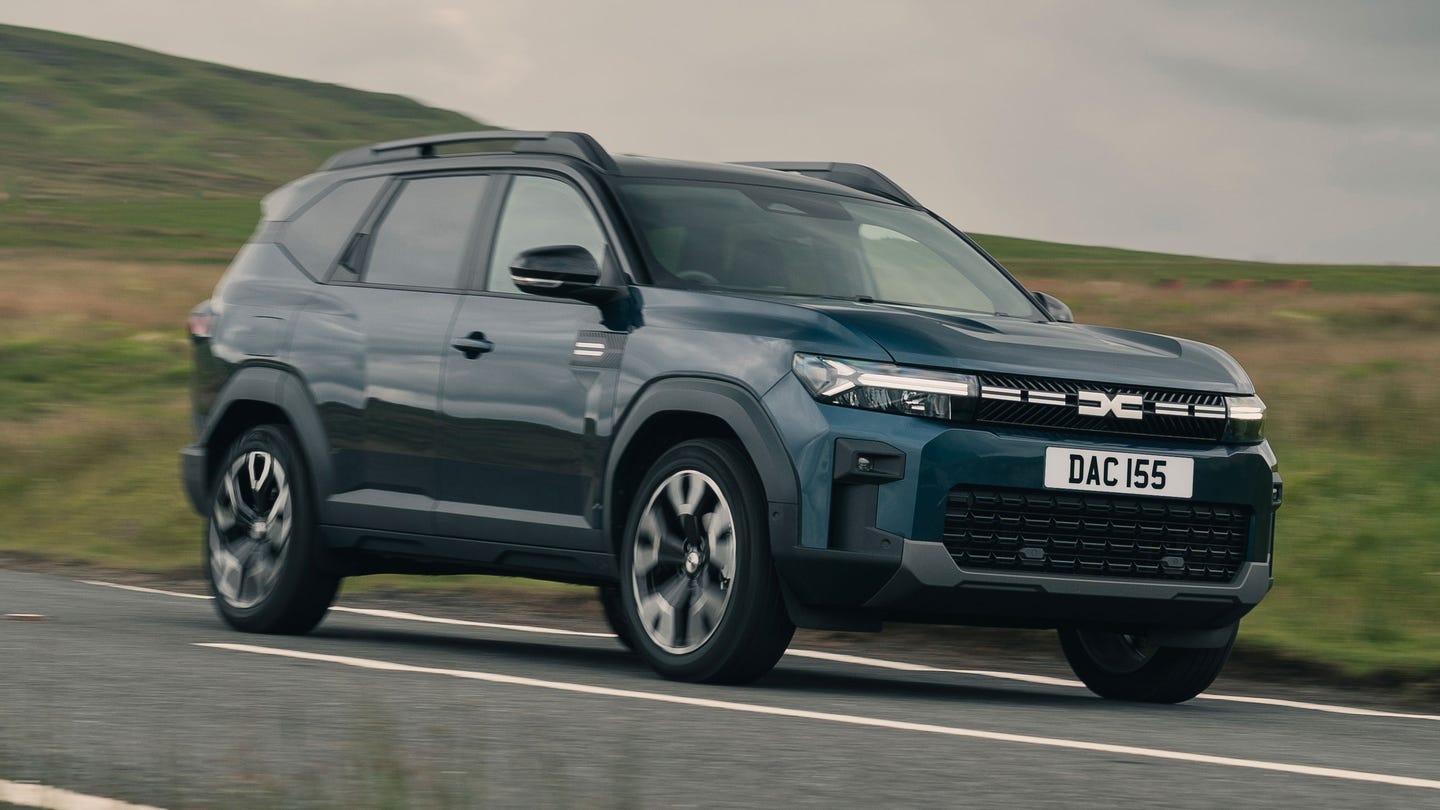
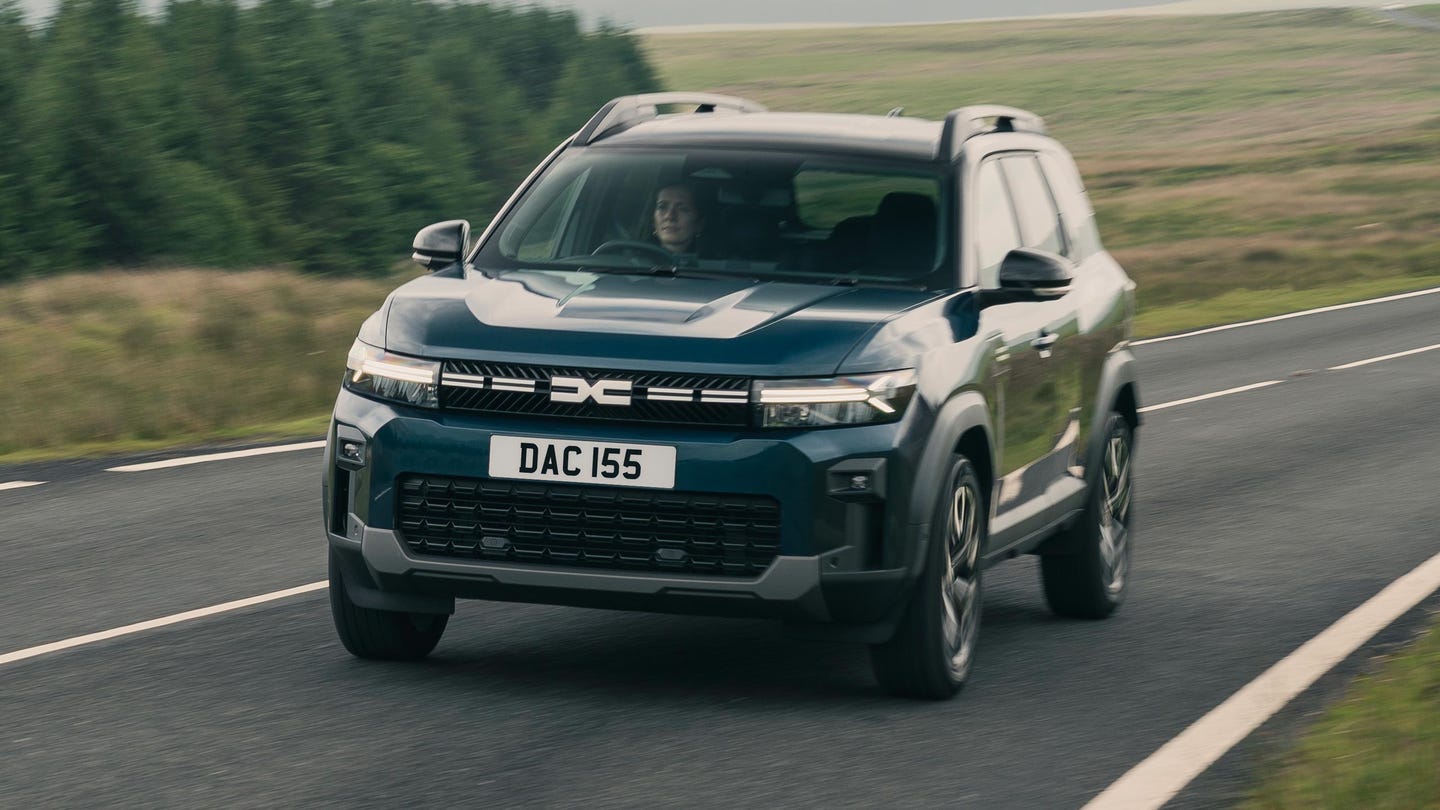
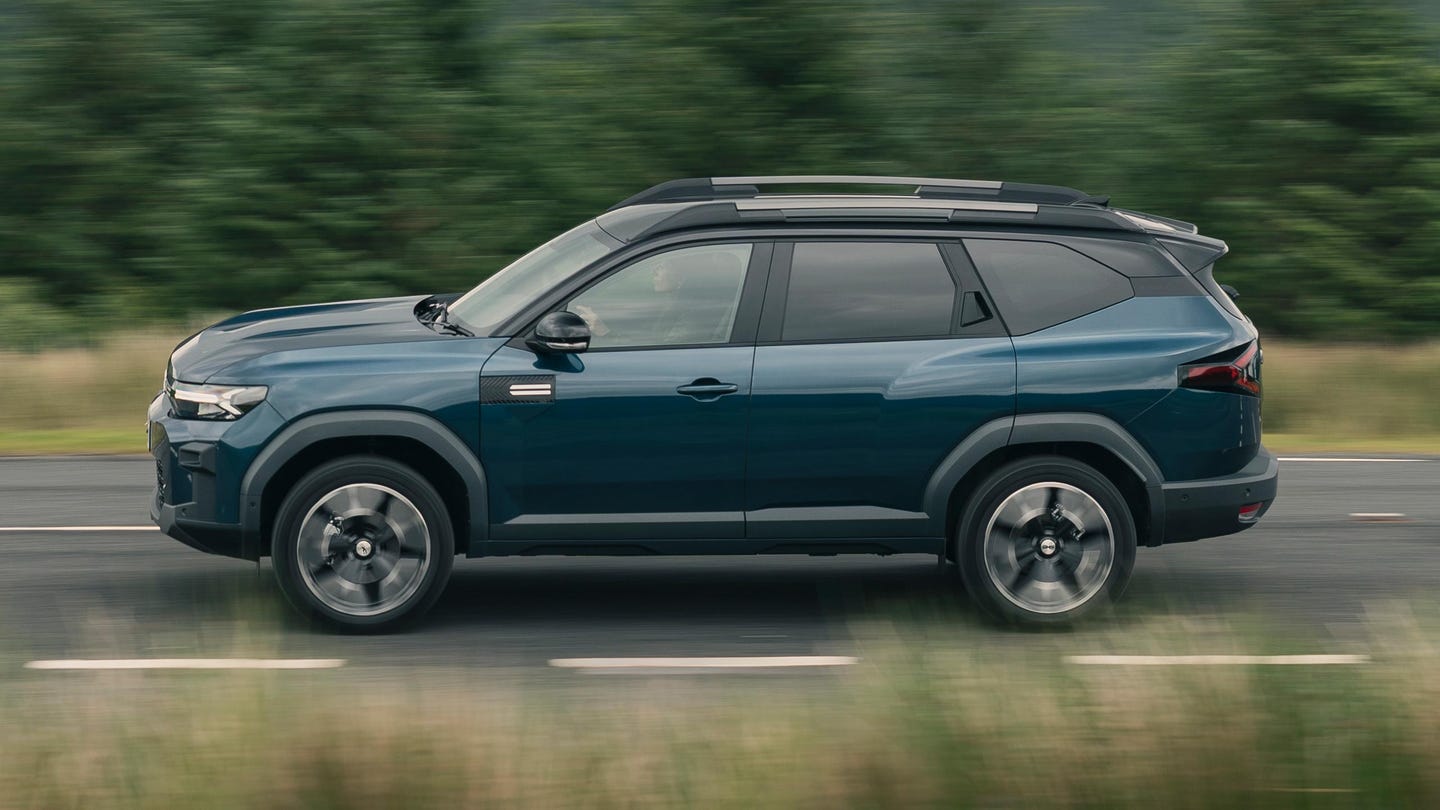
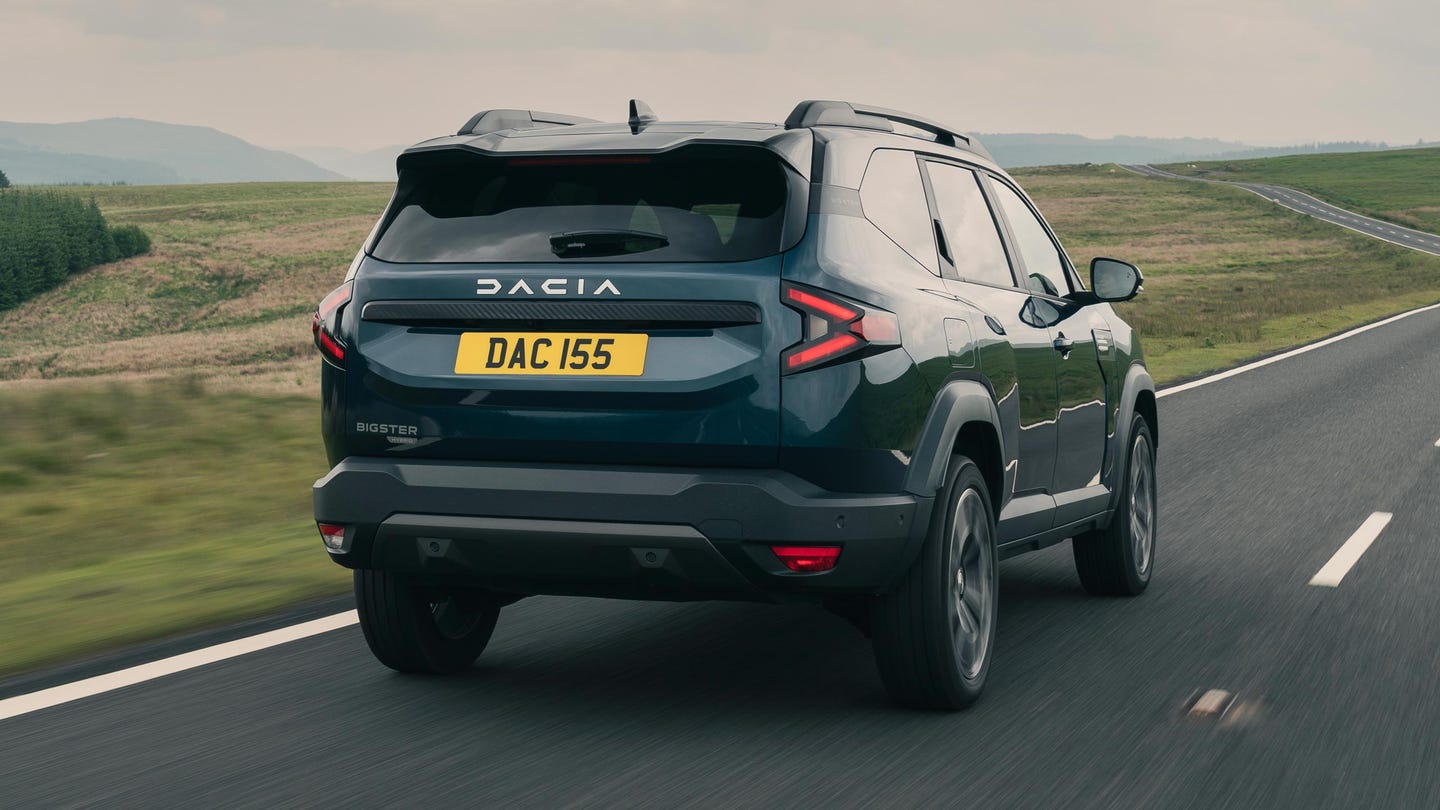
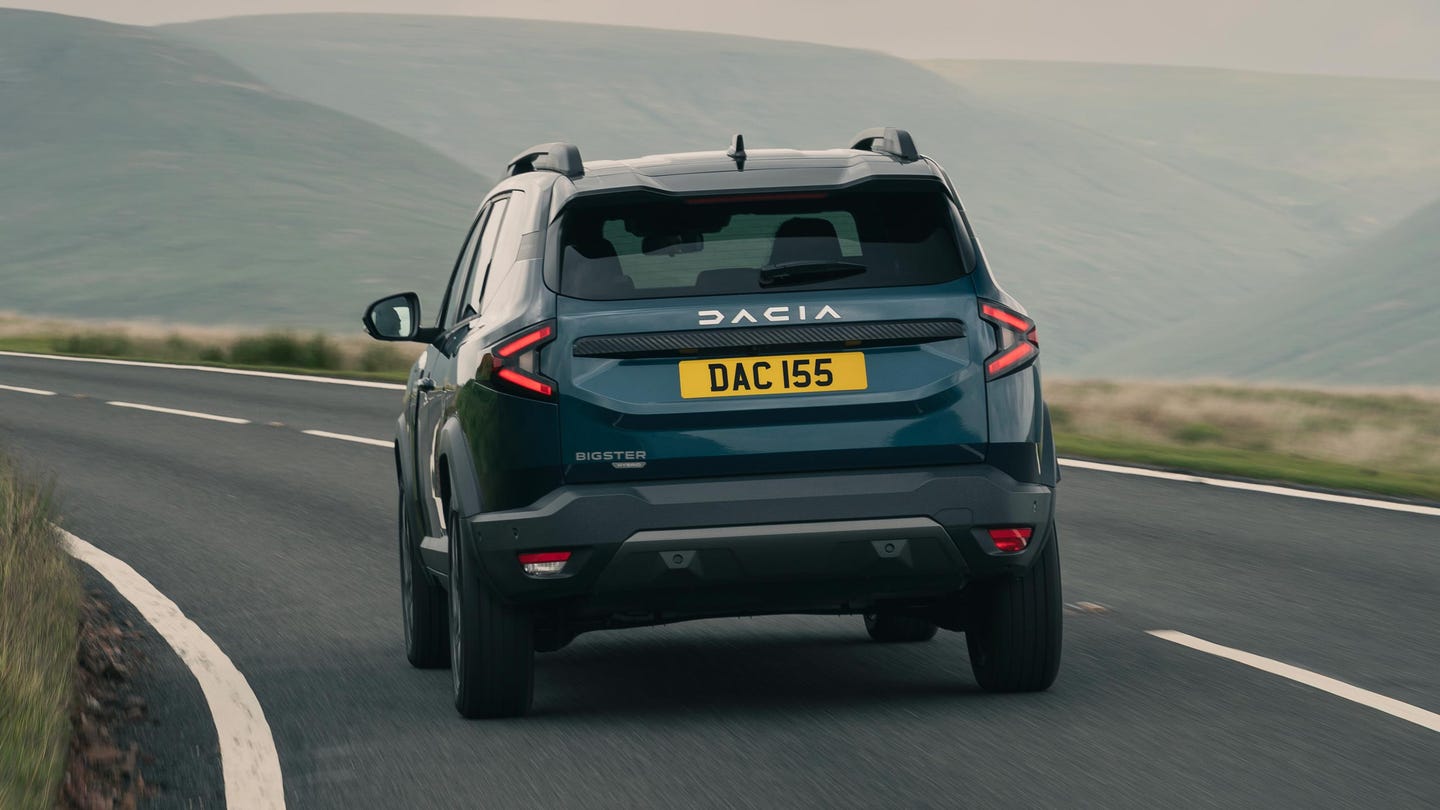
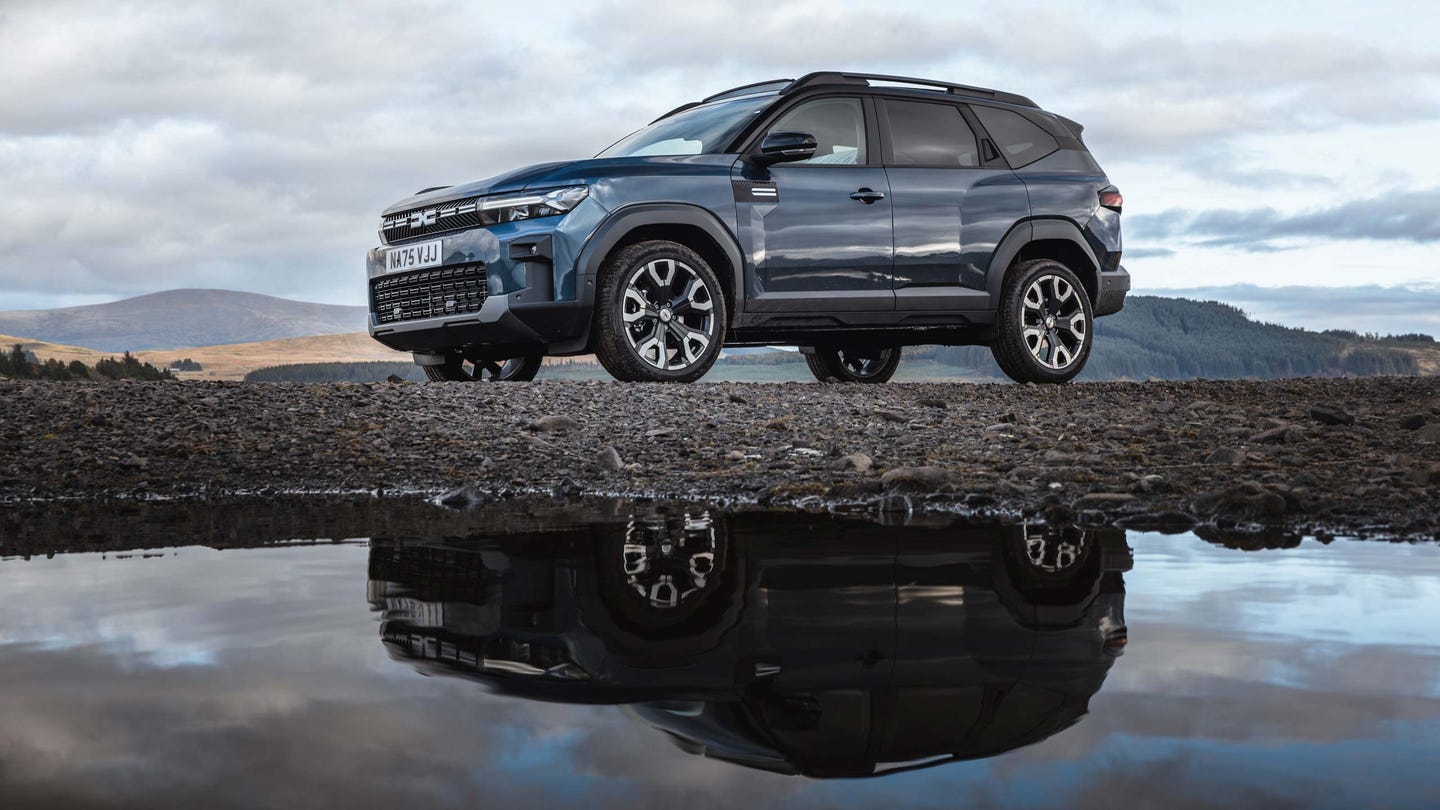
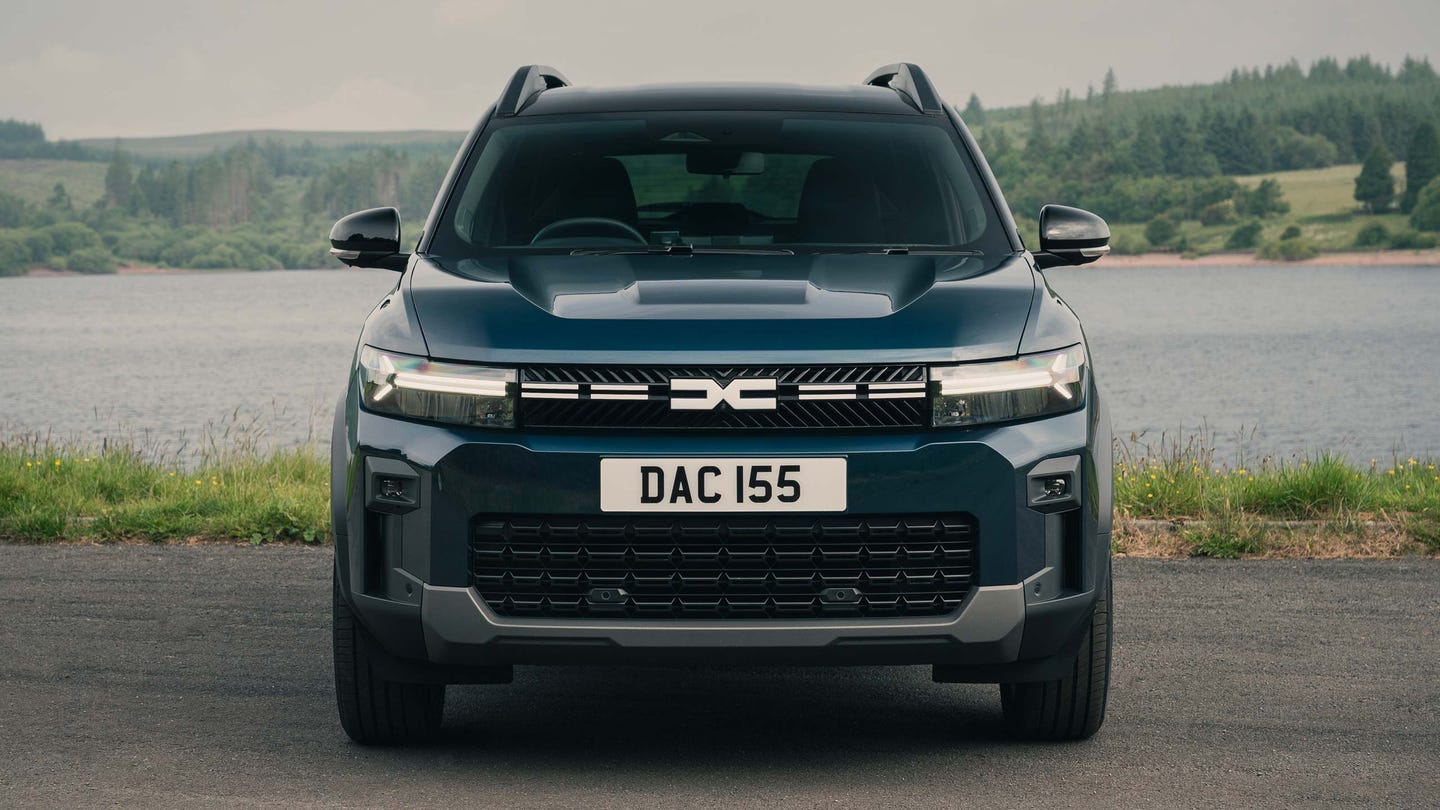
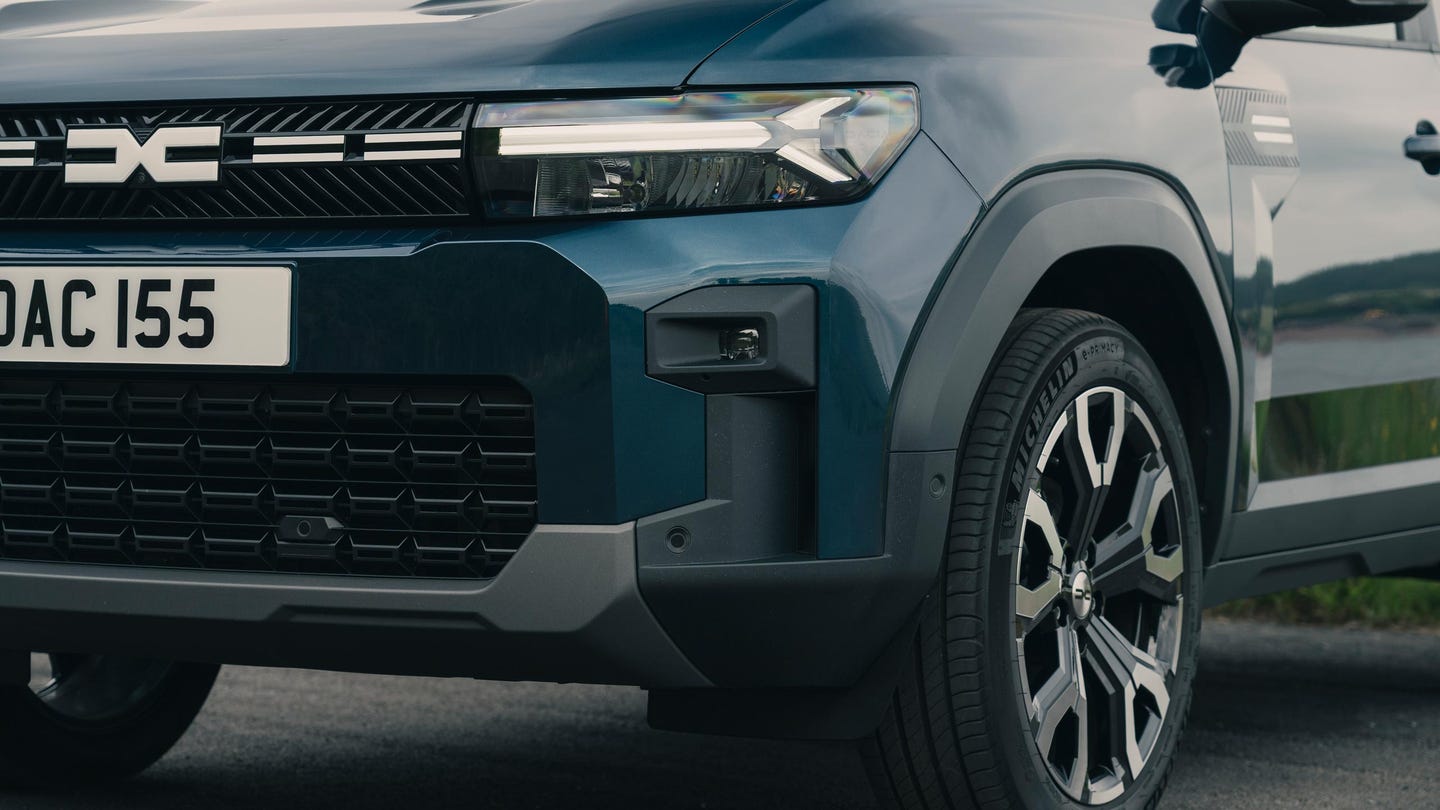
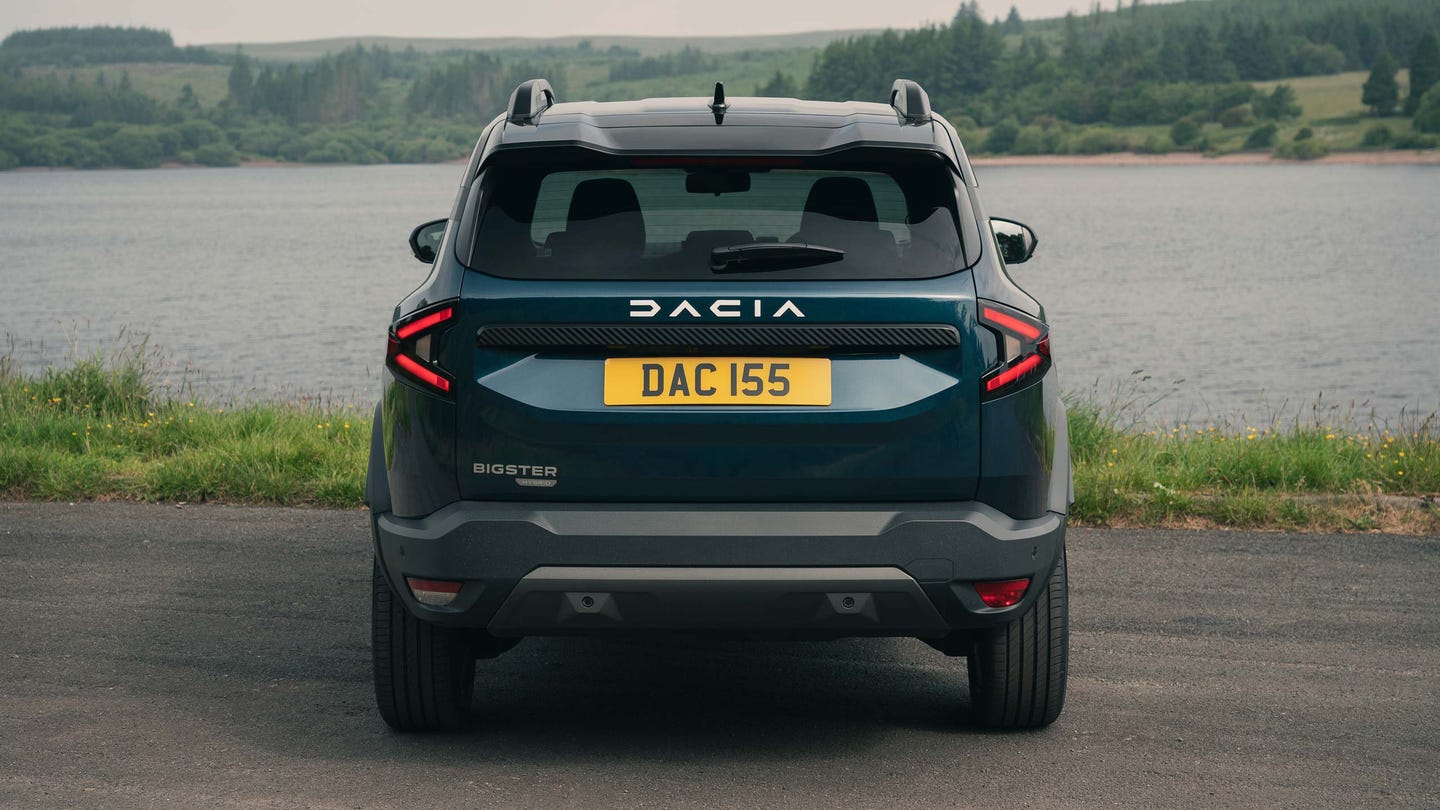
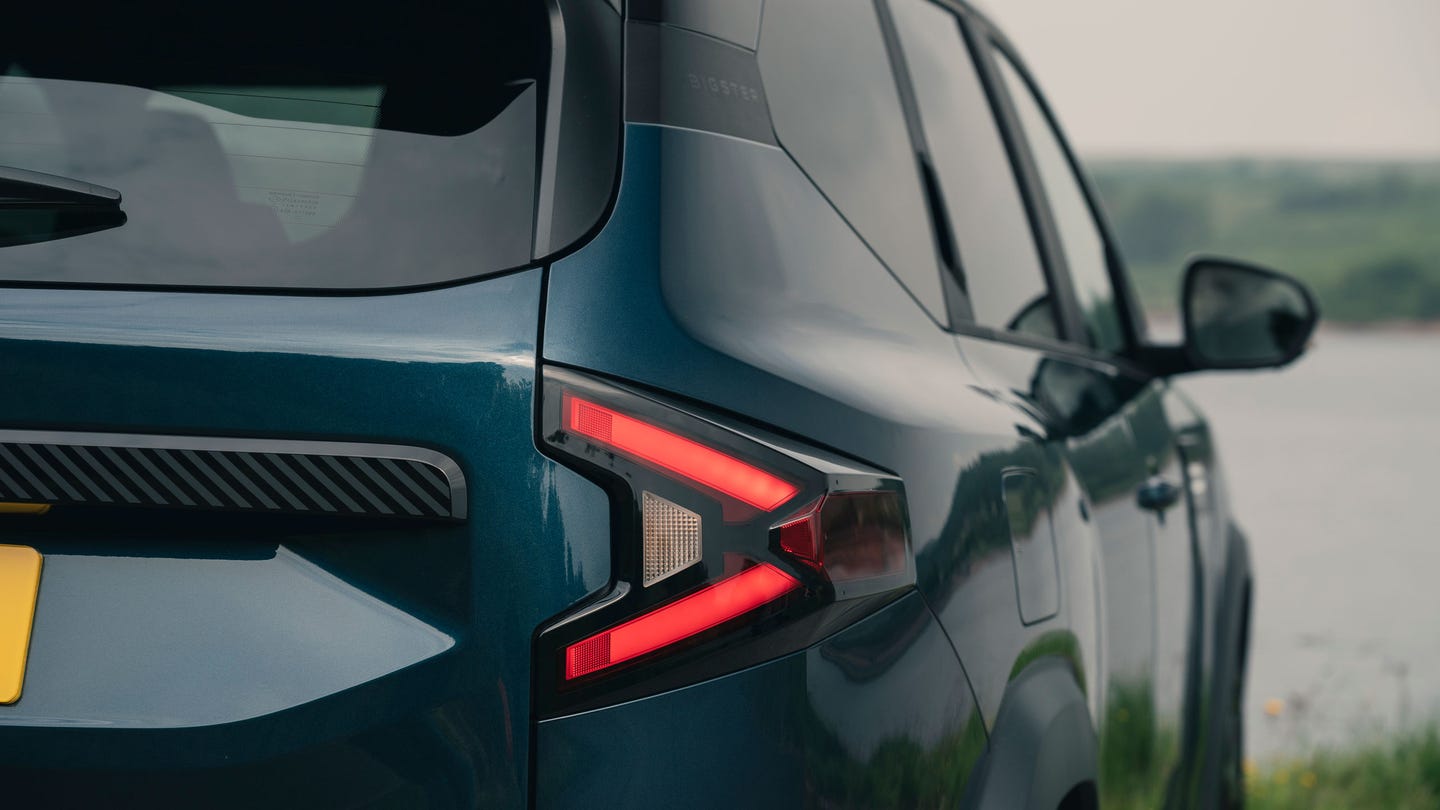
If Land Rover was still producing affordable and durable cars, it would’ve basically built the Bigster.
This elongated Duster looks the part, it’ll fit in all of your outdoors gear, there’s optional four-wheel drive and the interior is suitably sturdy. But there are other practical SUVs for similar money that feel a bit more premium.


Everything is getting bigger. From your phone, to your bills, to the number of shots of syrup needed to make that £6 latte drinkable. The same is true for family SUVs. Everything used to fit in the boot of a Dacia Duster, but now you’re finding that you’ve got too much clutter. You need something bigger.
From the school of saying what you see, Dacia’s Bigster is quite literally a bigger Duster. It’s nearly a foot longer and a bit taller, which boosts boot space and rear-seat room. There’s a lot of both.
"You’ll feel at home if you like going camping or often wear practical trousers"
Still only five seats, though – you’ll need to go for the slightly shorter Jogger if you want seven seats in your Dacia.

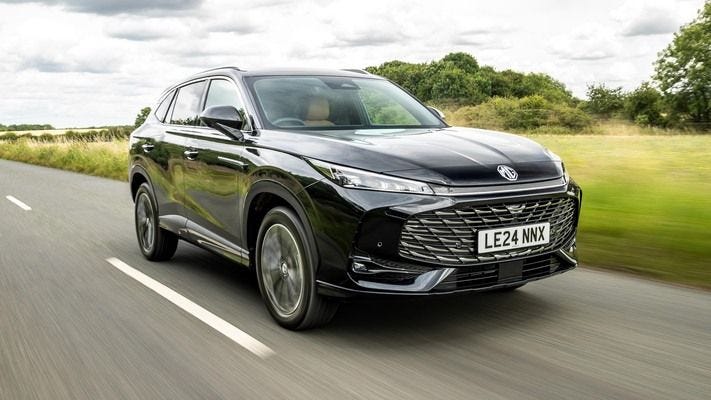
With its boxy wheel arches, chunky roof rails, tall bonnet and plastic cladding, the Bigster has most of the presence of a luxury 4x4 without the cost. The Jaecoo 7 has pulled a similar trick to great success. From behind the wheel of the Bigster, the 4x4 feel is reinforced by the turrets on the bonnet you can see in your peripheral vision.
Four-wheel drive is available but used examples are rare – plus, most buyers won’t need it. And, despite the bluff looks, the Bigster is surprisingly economical, with up to 52mpg achievable from the standard petrol engine and 61mpg possible from the hybrid engine.
The Bigster is refreshingly simple where so many cars try to bamboozle you with tech. This simplicity is the car's ethos, and you get the must-have equipment without being bombarded with info. If you want a spacious family SUV that’s easy to live with, the Bigster is it.

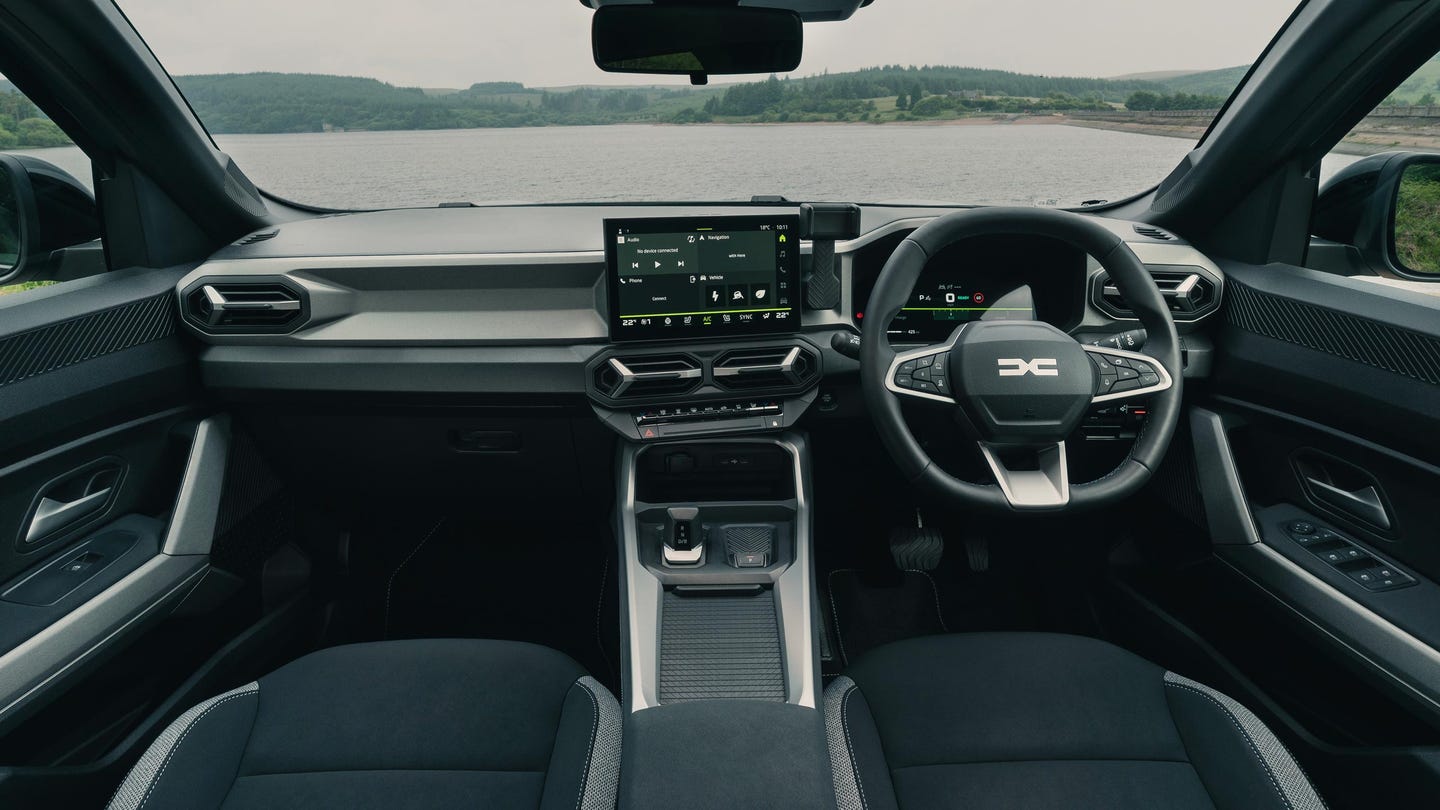
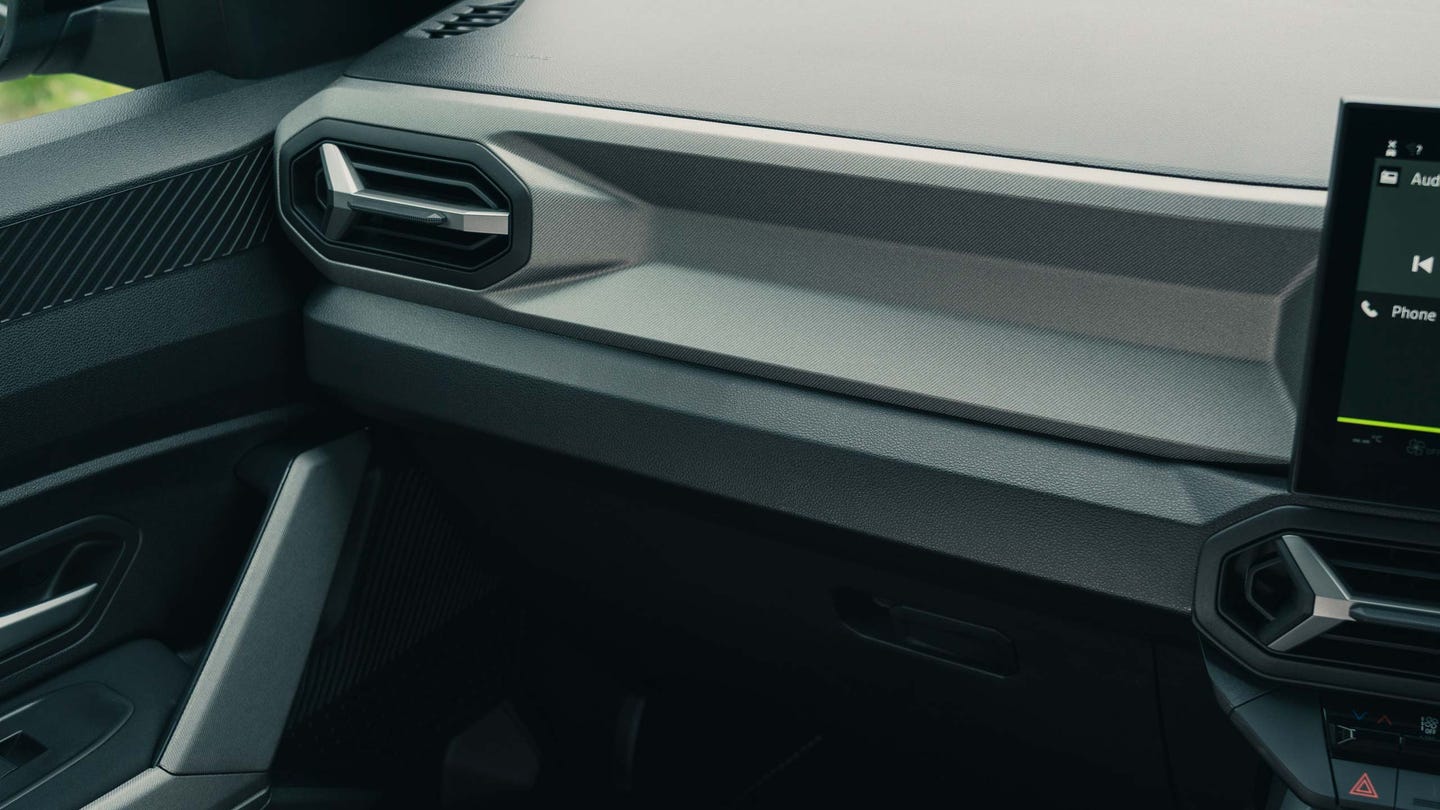
Matching the exterior, the interior has a pleasingly chunky look to it. There are clear hints of the Land Rover Defender in the main section of the dashboard, which adds to the rugged feel.
Perhaps fittingly, the materials are sturdy and easy to wipe down, but they are cheap and unforgiving. You’ll feel at home if you like going camping or regularly wear practical trousers, but it might be a hard sell against more plush-feeling affordable cars such as the MG HS and Chery Tiggo 7.
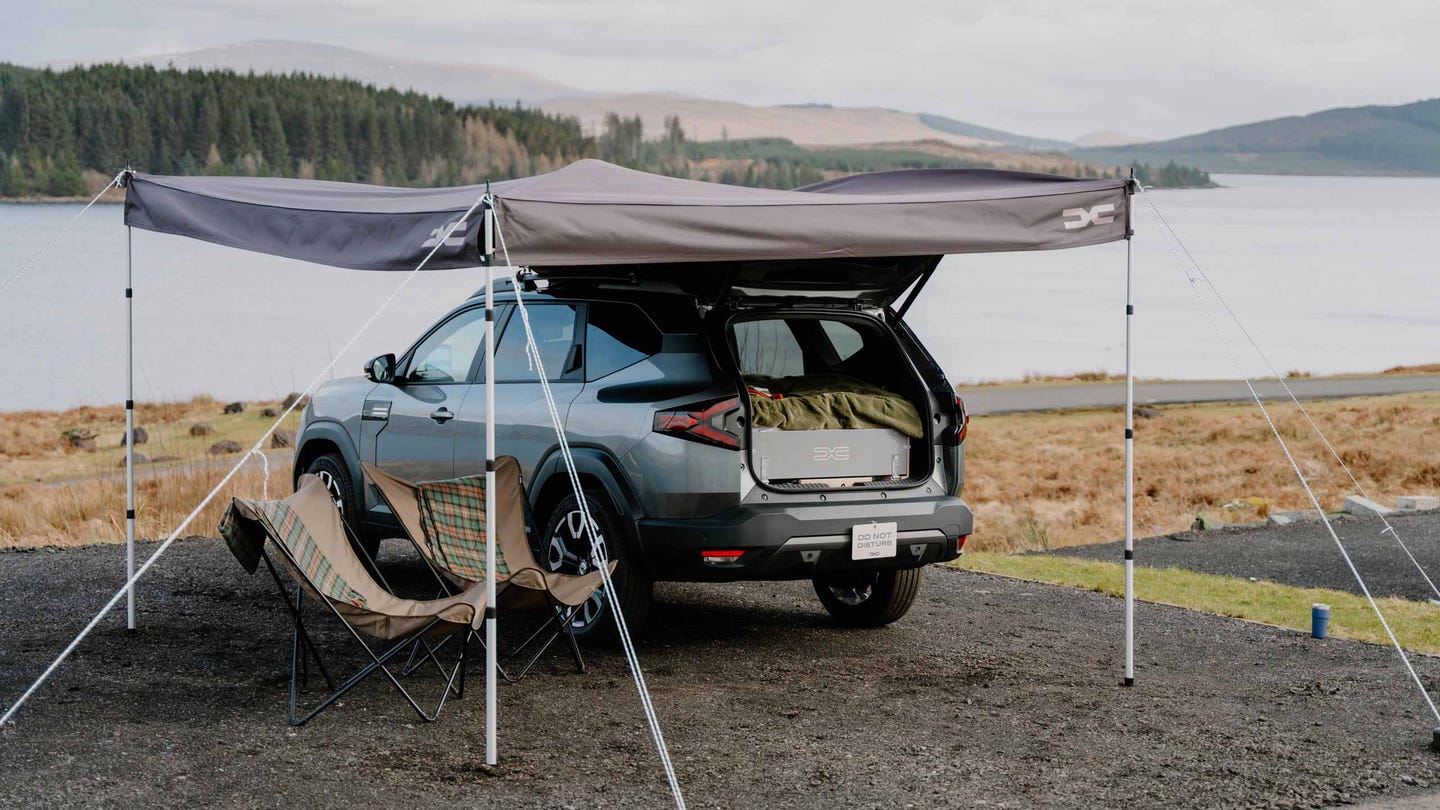
As a sidenote, the Bigster is a great car for camping because you can option a sleep pack – which turns the car into a budget campervan – and even a tent from the accessories list.

Sitting high up gives you good visibility, albeit with the usual over-shoulder blind spots from the rear pillars. The seats are upholstered in a denim-style fabric which is quite nice, while top-spec cars get washable seat covers with a fetching oak green accent colour. You should be able to get a comfortable position fairly easily because the steering wheel adjusts for height and reach.
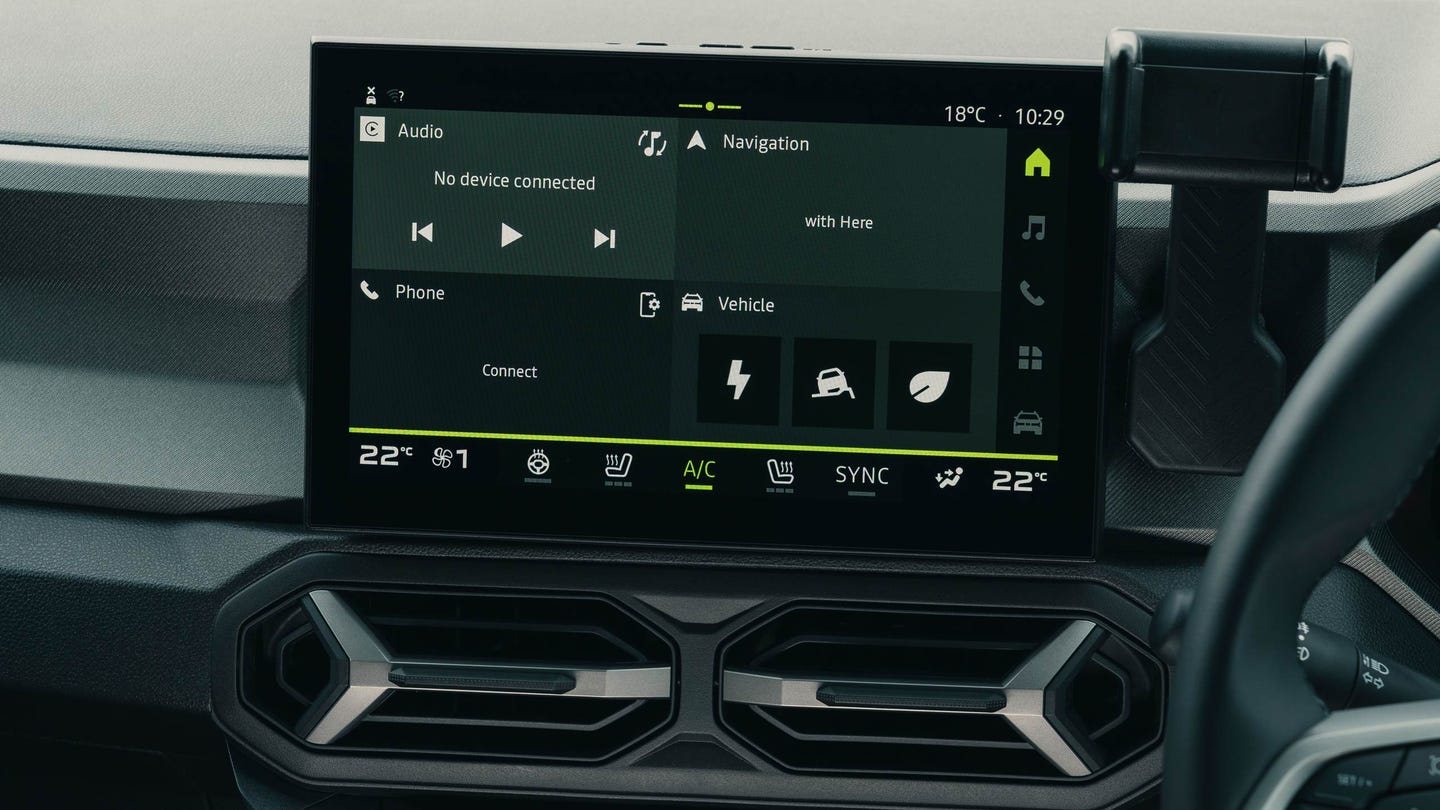
Like the Duster, the Bigster comes with a touchscreen as standard – there’s no bare bones entry model with just a phone holder. Luckily, the touchscreen is really simple to use, with clear and obvious tiles and a good spread of useful features. It doesn’t have pages and pages of settings to trawl through, and nothing to take your eyes off the road for a dangerous amount of time.
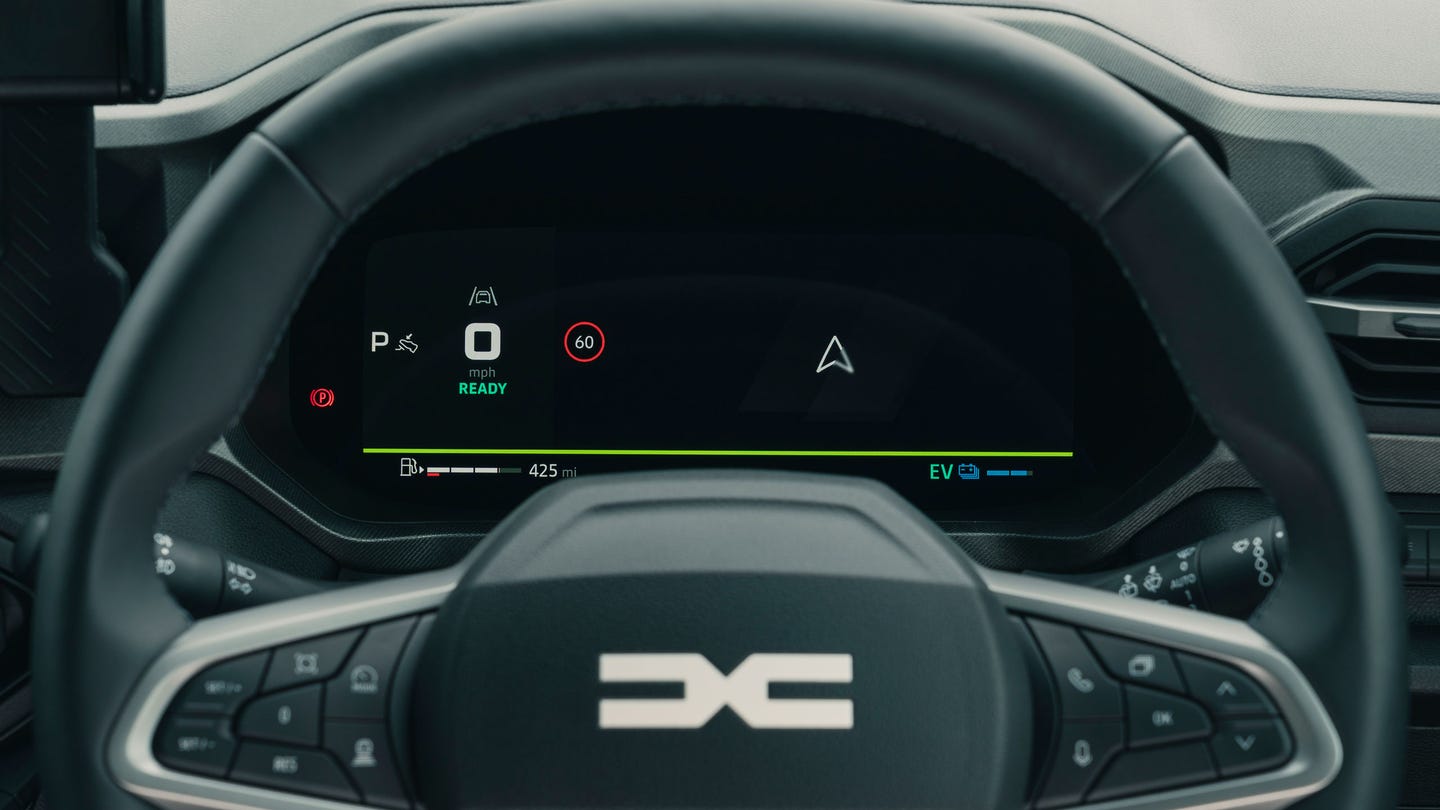
There’s also a digital driver’s display on every model. As well as giving the Bigster a modern feel, this gives you the option of a minimalist layout view so you can concentrate on the job in hand.

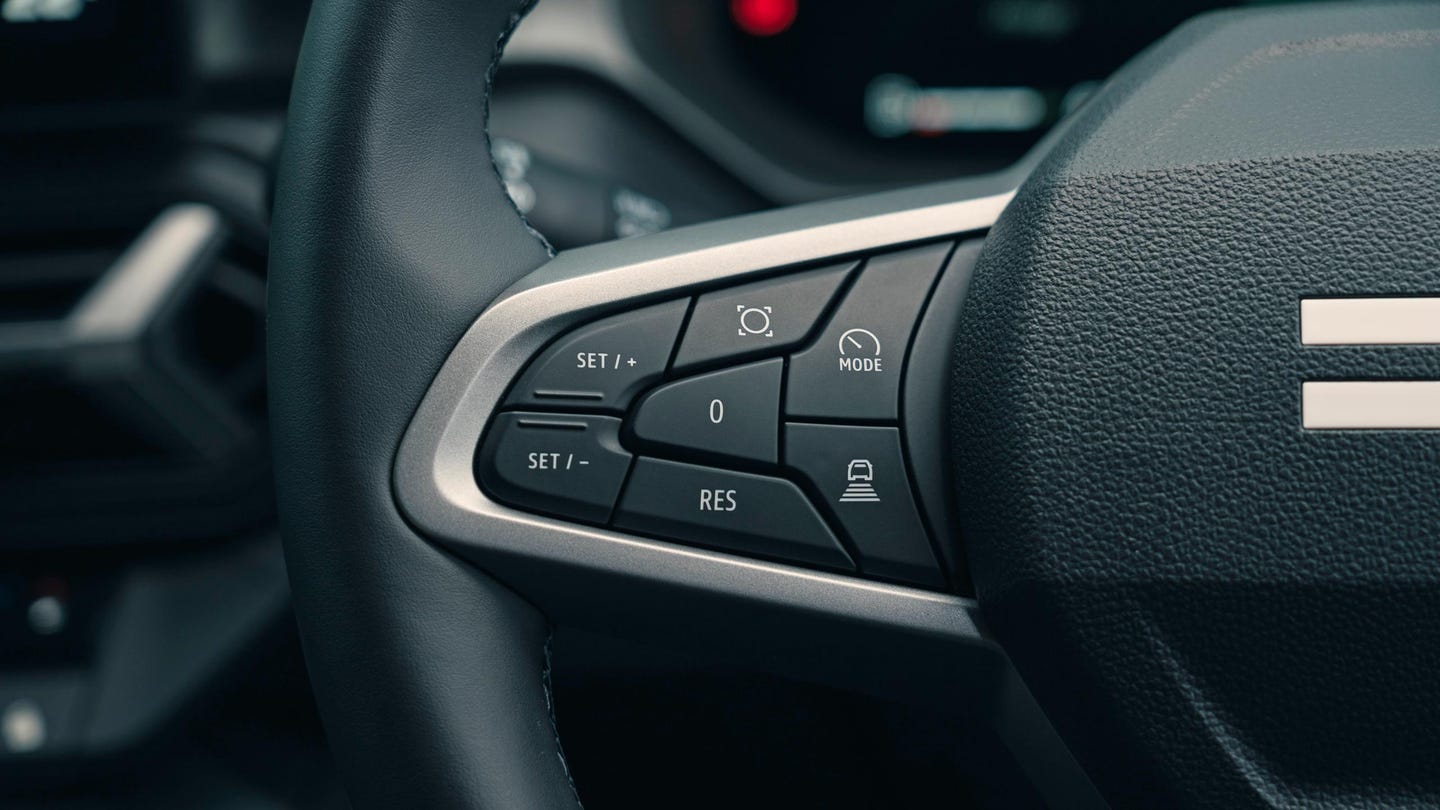
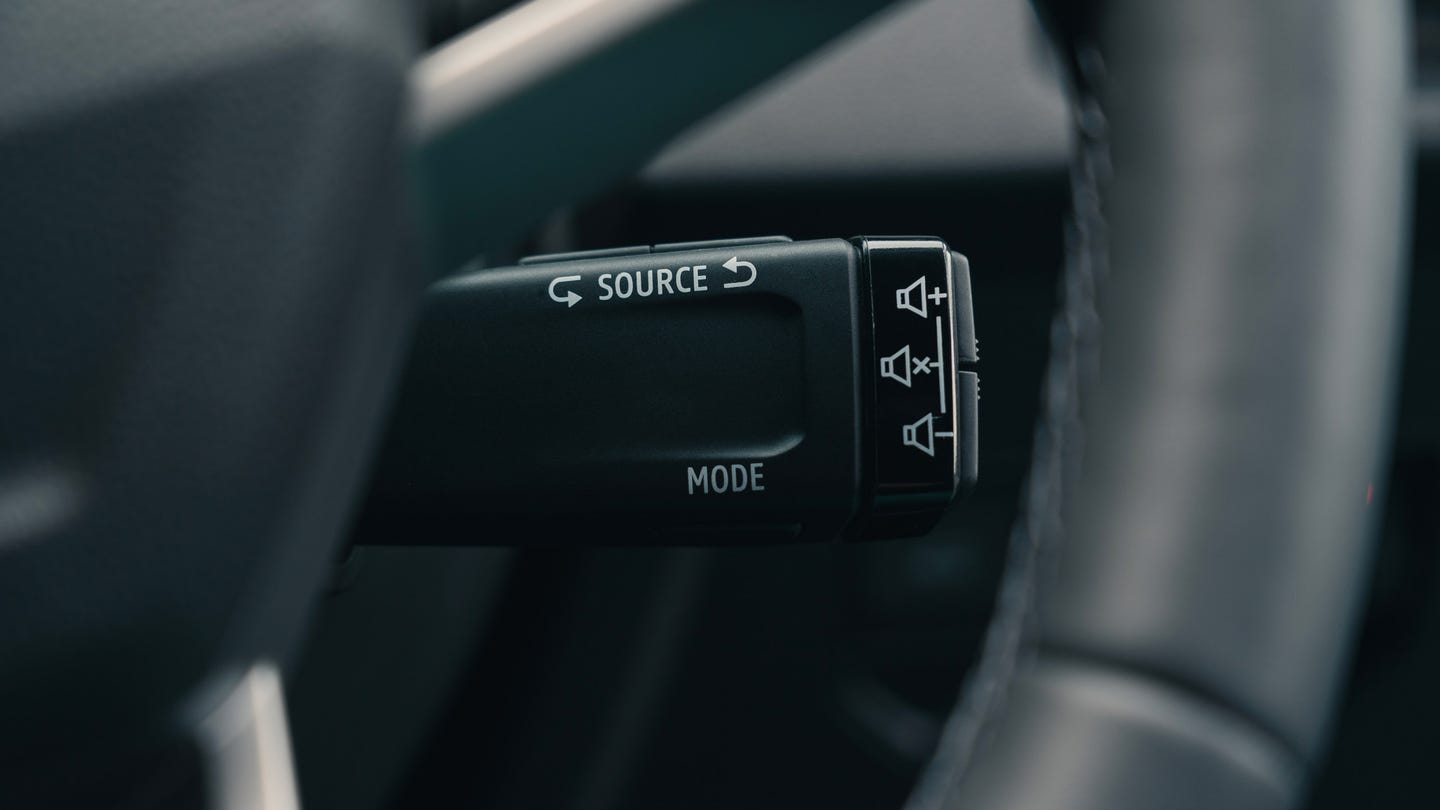
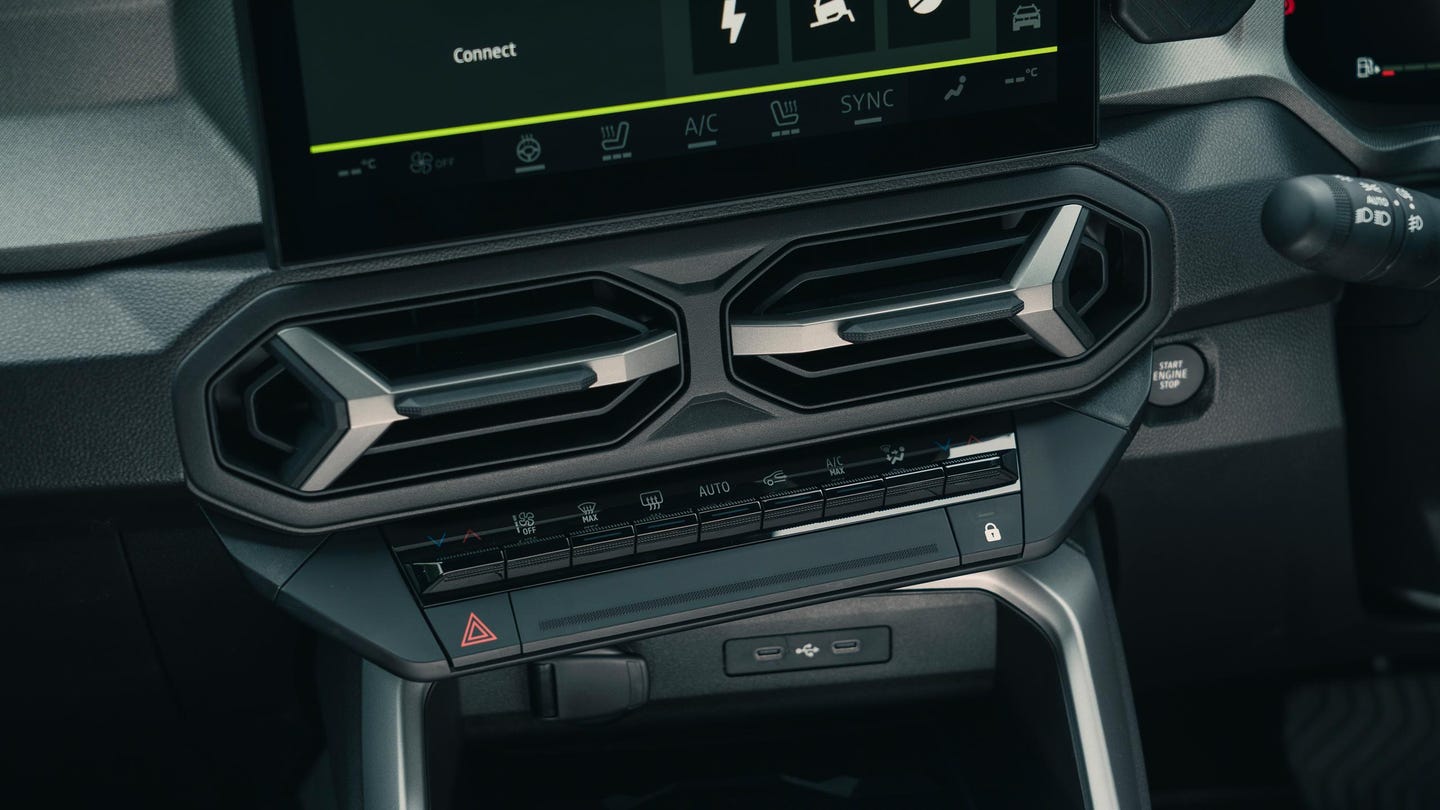
Even with the two screens, the Bigster is still quite an analogue car. The Renault-sourced climate controls and steering wheel functions are all physical buttons and grouped together in sensible clusters. It’s a little annoying that the media controls are on a separate stalk completely hidden behind the steering wheel, but your fingers soon get used to the feel of the buttons.
As we said, there’s no utilitarian base model. Even the cheapest Expression trim features a multiview parking camera, diamond-cut alloy wheels, cruise control, auto lights and wipers, two-zone climate control, lane-keep assist and blind-spot monitoring.
Mid-range Journey seems to offer the best combination of value and equipment, with built-in sat nav, a powered bootlid, high-beam assist, heated seats and a heated steering wheel. Top-spec Extreme adds copper touches inside and out, green interior trim, a panoramic sunroof and an upgraded sound system.

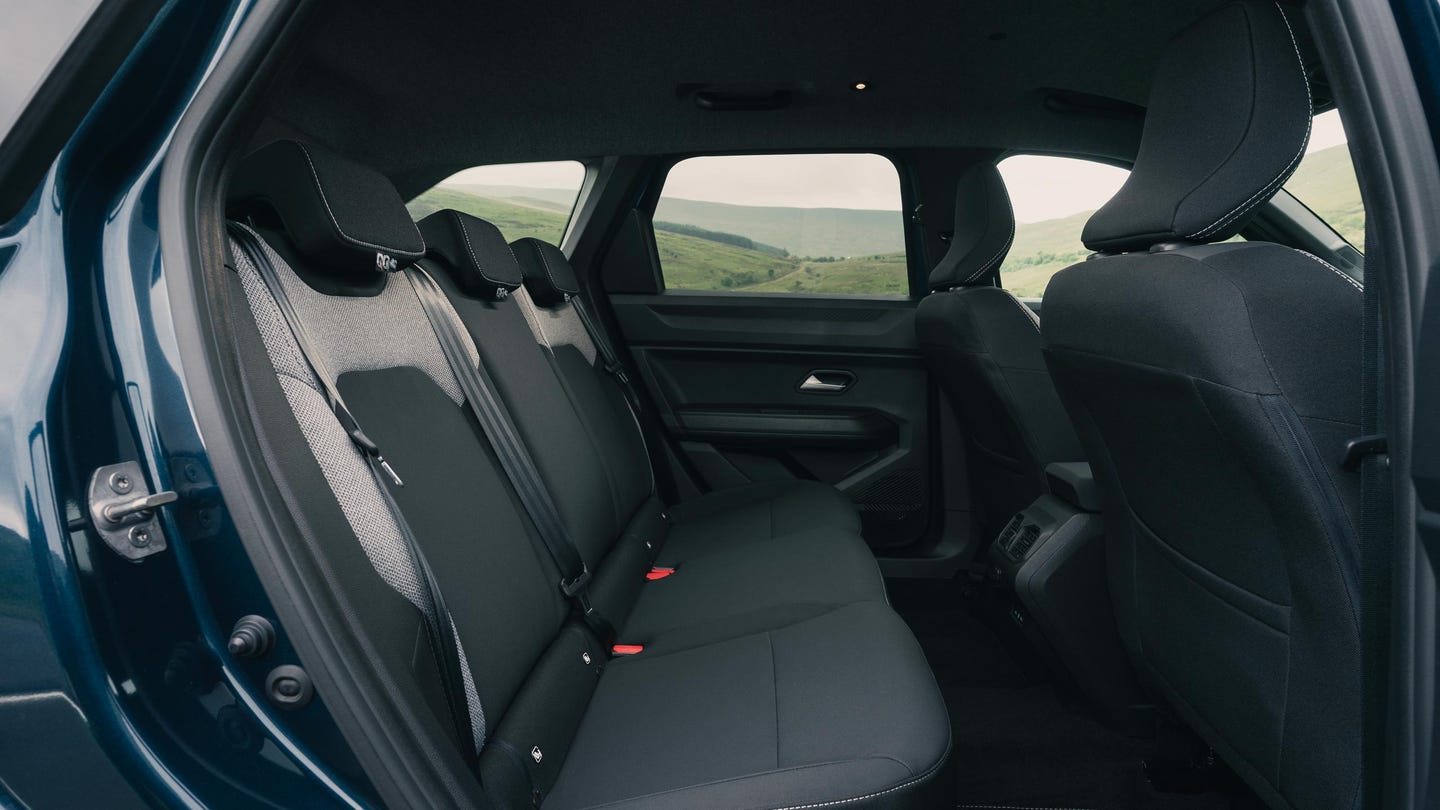
Provided you don’t need seven seats, the Bigster is a very practical car. Whether you’re in the front or the back, there’s plenty of space to stretch out in, with lots of legroom and headroom.
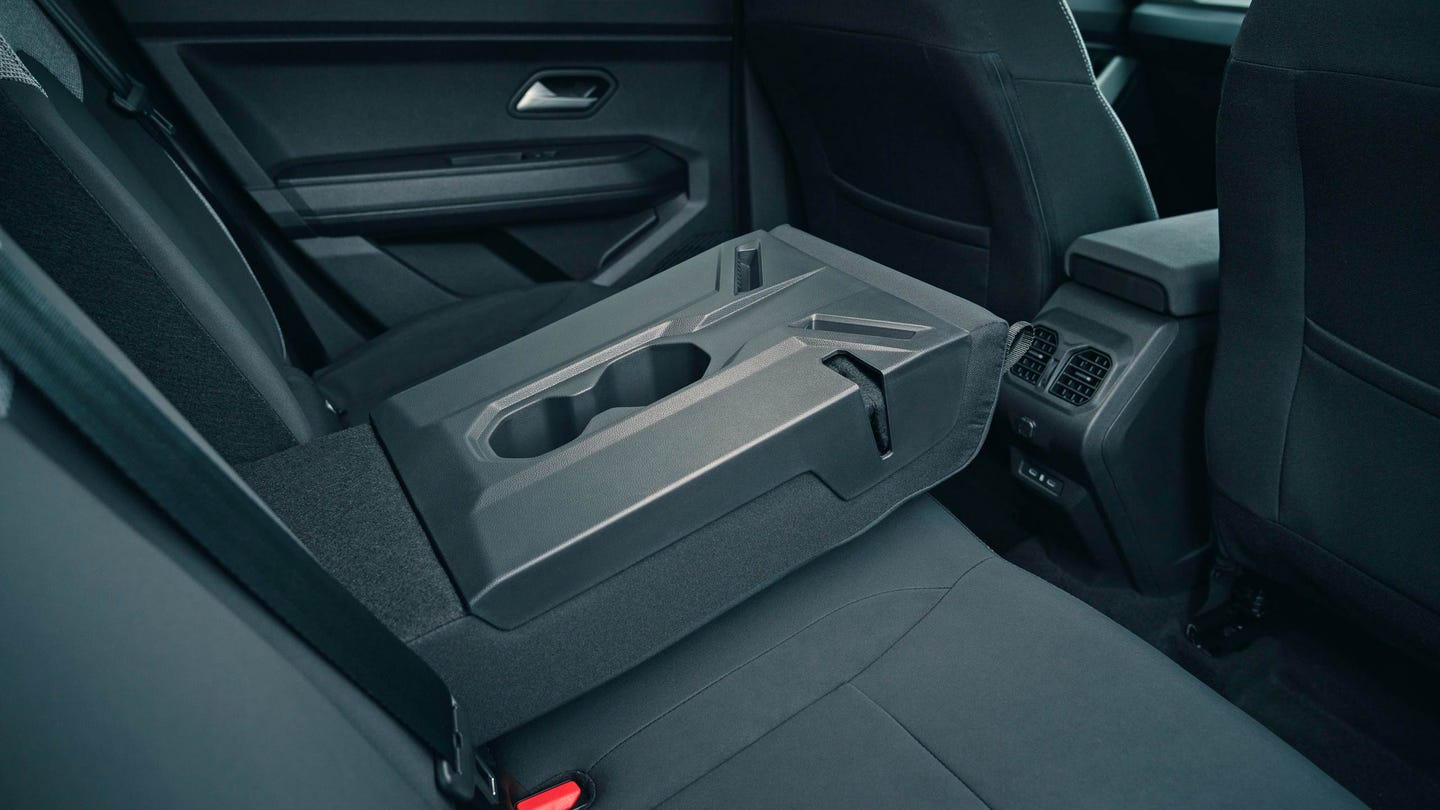
Three adults should be comfortable sitting across the back row, because the seat bench is nearly flat and there’s not much of a transmission tunnel so there’s decent foot room for everyone. Rear USB sockets, vents and seatback pockets are available, and the middle seat folds down to give you a set of cupholders and phone holders.
We’d prefer more accessible Isofix points – the zipped covers are fiddly and a bit awkward – but otherwise the Bigster is a good car for carrying kids. The doors open wide and the low windowline gives a good view out.

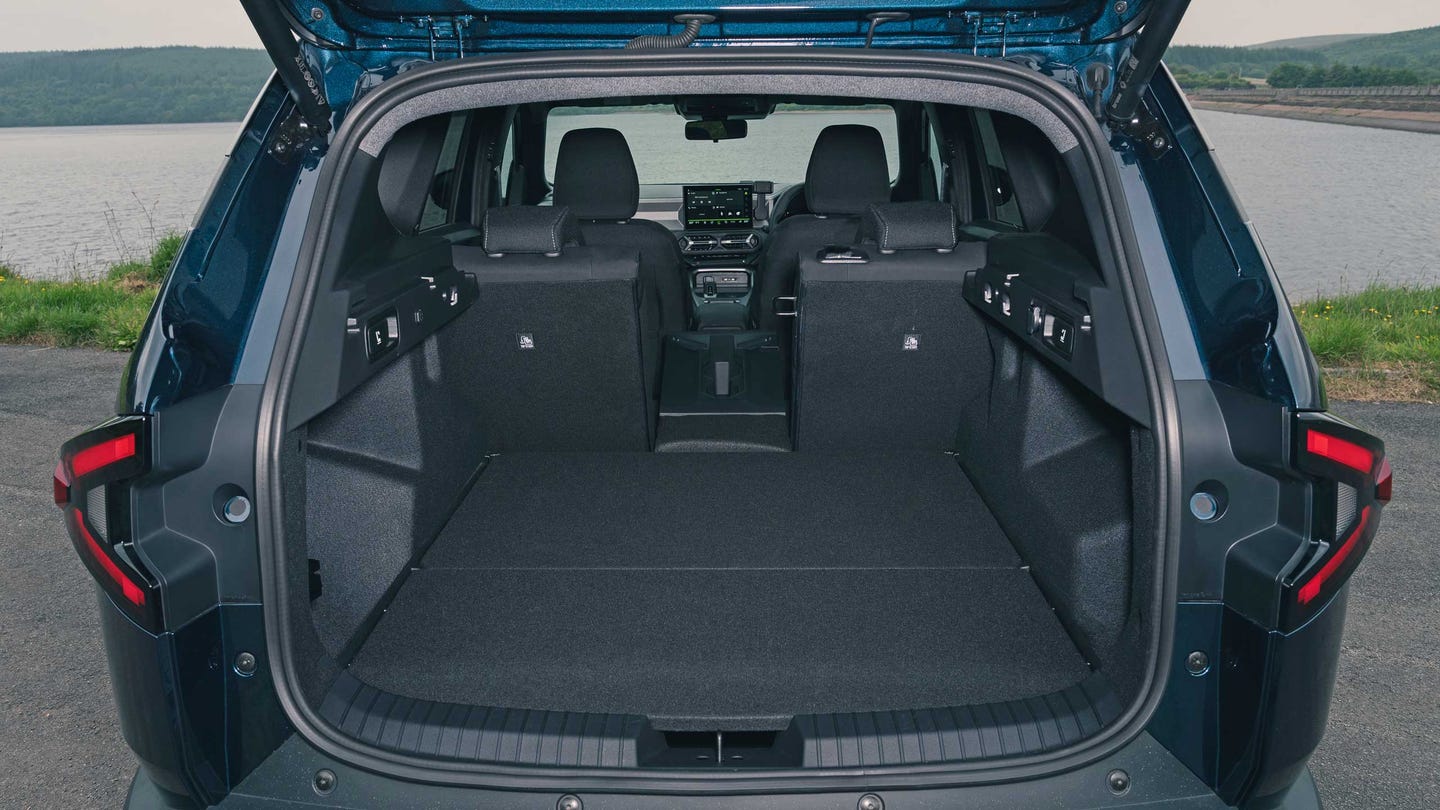
And there’s plenty of space in the boot for kid clutter. At 667 litres, the boot is among the best you’ll find in a family SUV. The space is long and wide, there are deep side pockets, and there’s no load lip, although the floor is high so it might be a struggle to load heavy items in. Our test car had an optional spare wheel – models without it would give you a bit of hidden space under the boot floor for valuables or a breakdown kit.
Hybrid cars offer 612 litres of boot space and 4x4 versions offer 614 litres.

You can fold the seats down from the boot, and there are a couple of useful hooks. The nub-like 'YouClip' mounts in the boot and cabin allow you to add official Dacia accessories such as extra hooks, a phone holder or an extra cupholder.
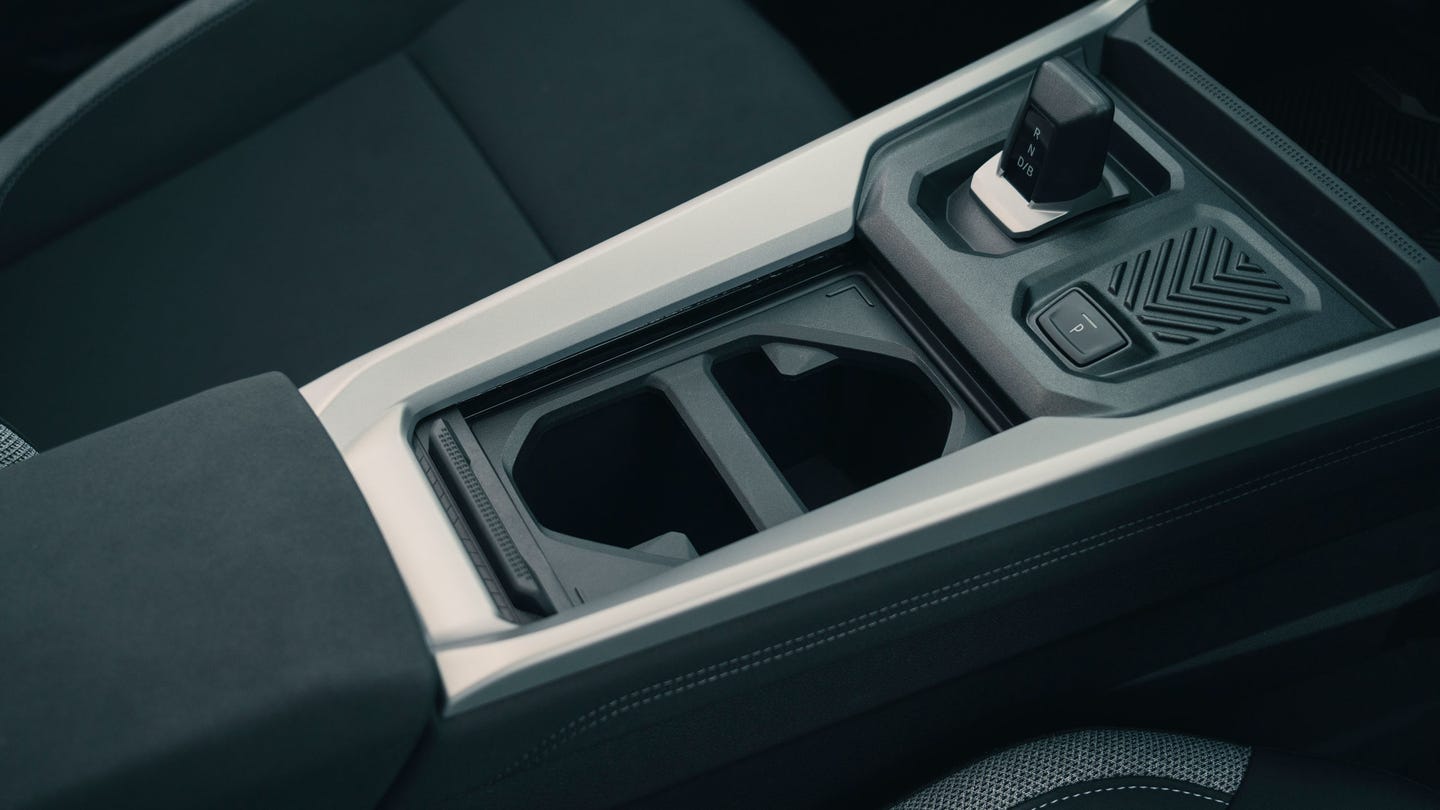
Unfortunately, the in-cabin storage spaces aren’t quite so well thought out. The rear door bins are small, the glovebox is half the size it should be, and the cupholders on automatic models are awkwardly shaped. They fit in a Coke bottle but the little triangular bits are hard so you can’t fit bigger bottles in – they look like they should be soft and fold down.

The cheapest way to drive a Bigster is to pick the 1.2-litre petrol engine with 140hp. This might sound a bit underpowered for a car as big as the, er, Bigster, but it’s more than up to the task. You’ll have no issue keeping up with traffic or accelerating onto faster roads. With a little bit of electric power on hand to assist the engine, this mild-hybrid 1.2 is also very economical for a car this size: you can manage 52mpg in careful driving, according to the official figures.
Four-wheel drive is available with this engine on Journey and Extreme versions, trading a couple of MPG for added grip in slippery conditions. 4x4 cars come with an automatic gearbox and an extra dial with a selection of all-terrain driving modes.

The ‘full’ hybrid engine is the most powerful and the most economical in the lineup. Its 155hp and easy electric torque whisks the Bigster up to speed easily, and yet it’ll return 60mpg without you needing to plug in to the mains. This is our favourite engine in the range because it’s smooth and never feels caught out, and you can increase the strength of the brake regeneration by switching into the ‘B’ mode.
You’ll just have to work out whether potential fuel savings offset the higher initial price versus the 1.2 engine.
The towing capacity is only 1,000kg (on both engines), so you'll want something else if you'll be towing more than a small trailer for tip runs and suchlike.

It might look like a traditional ladder-frame off-roader but, thankfully, the Bigster has accomplished road manners – it’s not like you’ll be using it to explore a military proving ground, after all. Although, with good departure and approach angles, plus all-terrain tyres and a relatively light weight, the Bigster 4x4 will get further off the beaten track than most SUVs.
Back on the road, the light steering is a plus point around town, making the Bigster surprisingly easy to manoeuvre. However, on the open road, that translates to a bit of a detached driving experience. The body starts to lean in fast corners, so you’ll want to take it steady to avoid throwing everyone around.

The ride is a bit jiggly at low speeds but smoothes out as you get some speed up. It’s not bad in isolation but you’ll get a more comfortable experience in a Citroen C5 Aircross.
You can also tell that Dacia hasn’t fitted quite as much sound and vibration deadening as you might get in a premium car. We could feel a bit of vibration from the engine through the floor, and the engine can get a little gruff when it’s pushed. There’s also some noticeable wind noise at motorway speeds – that’s more a result of the Bigster’s blocky shape.
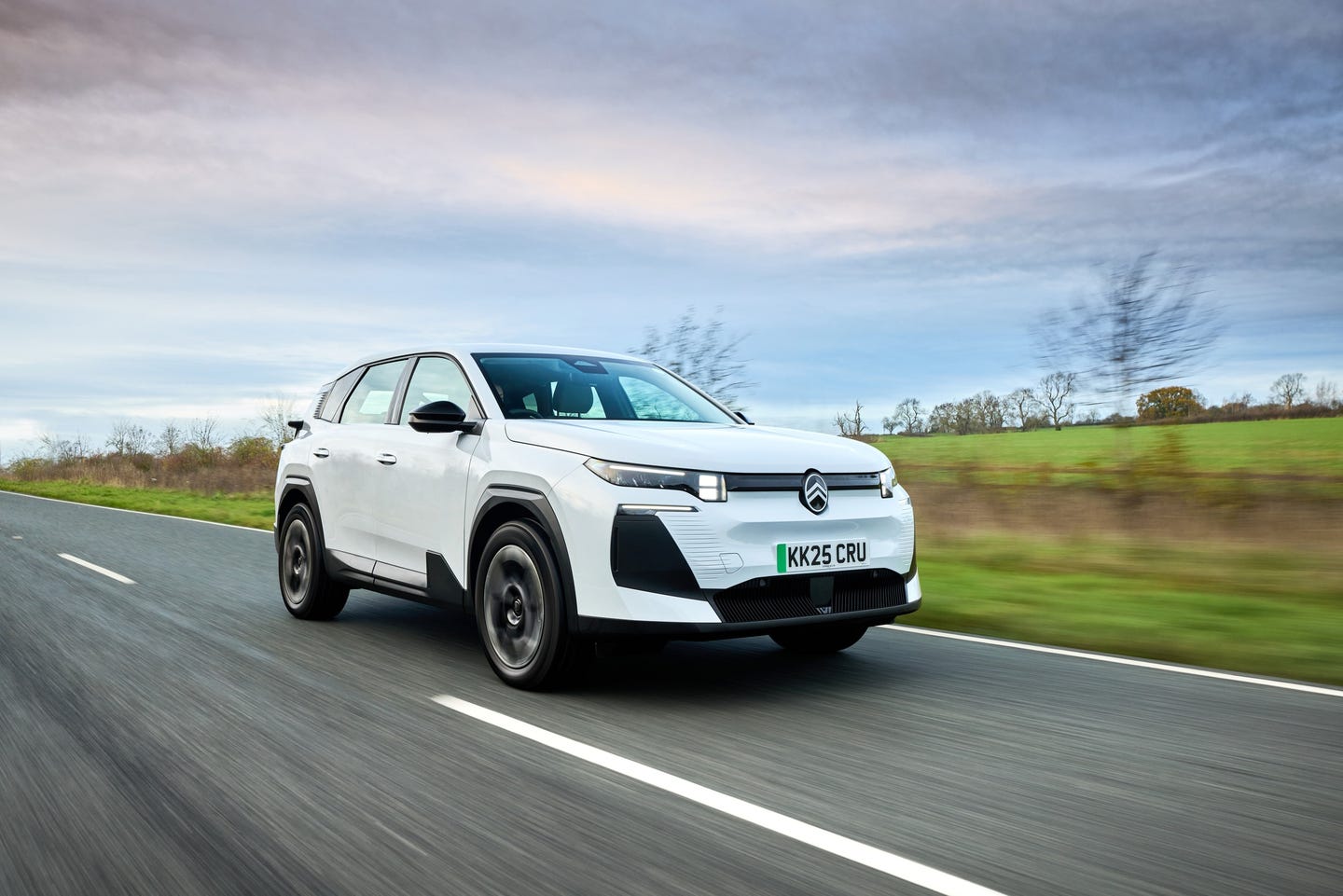
Comfy SUV offers 420 miles of range in EV form, with PHEV option too
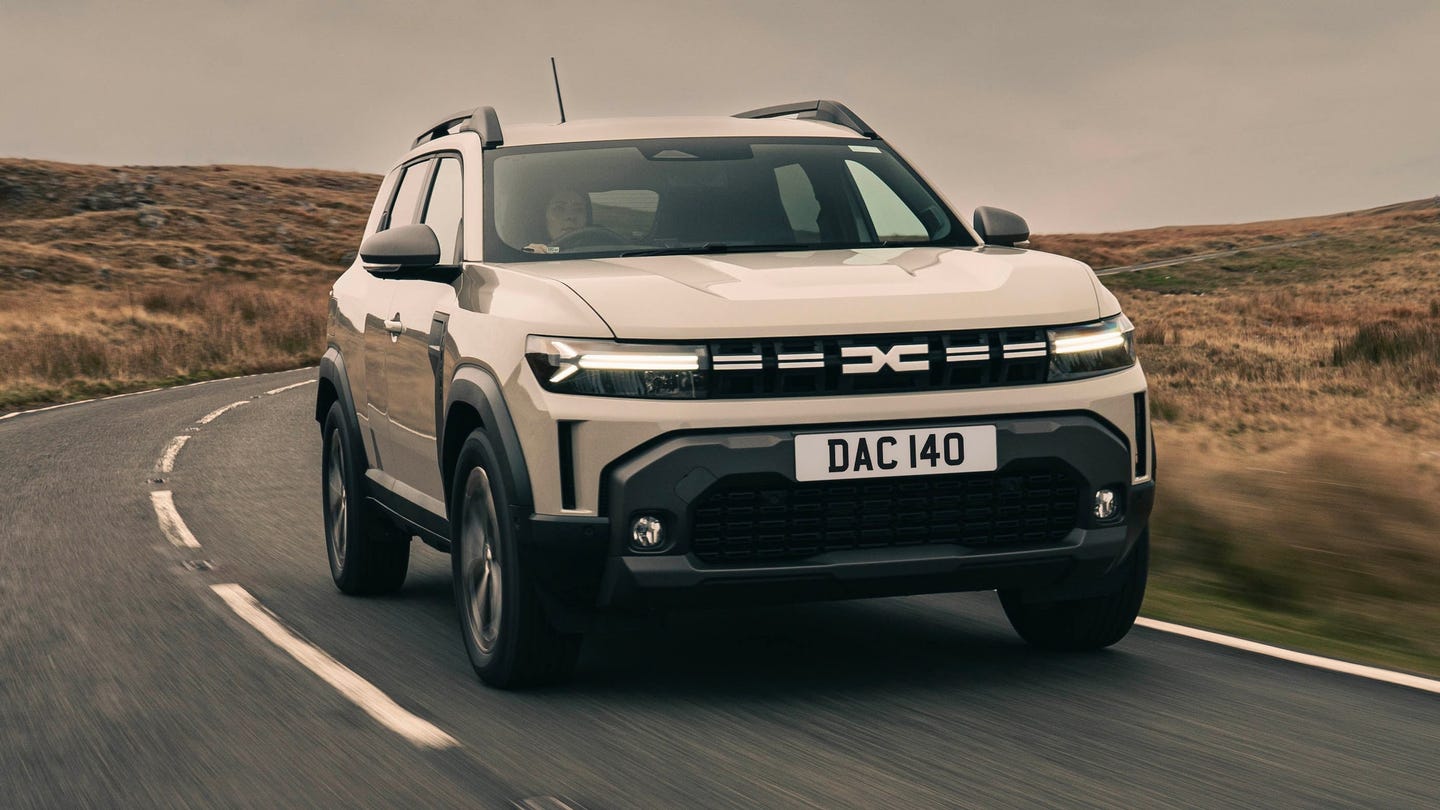
Latest Duster is a top family SUV – durable, spacious, cool and cheap
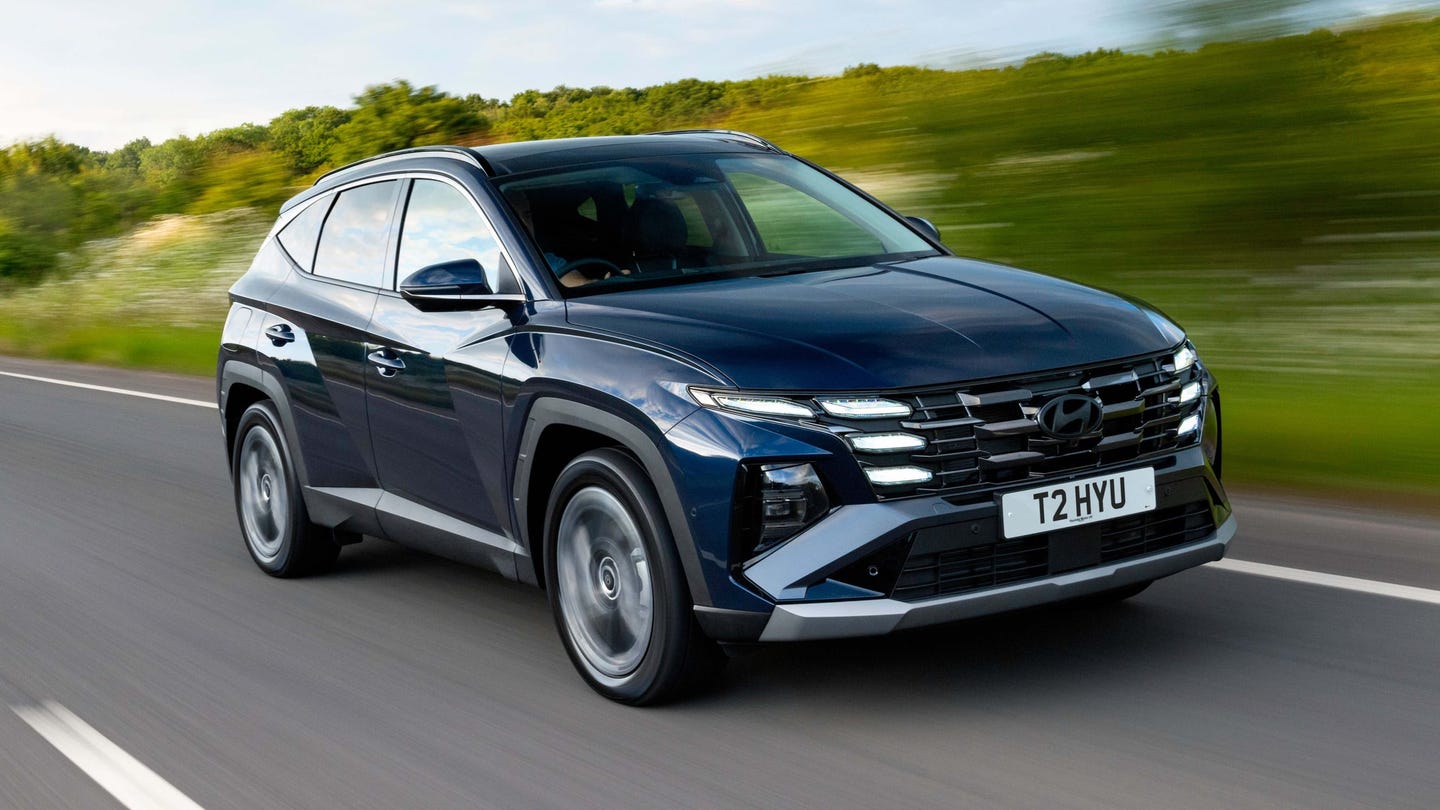
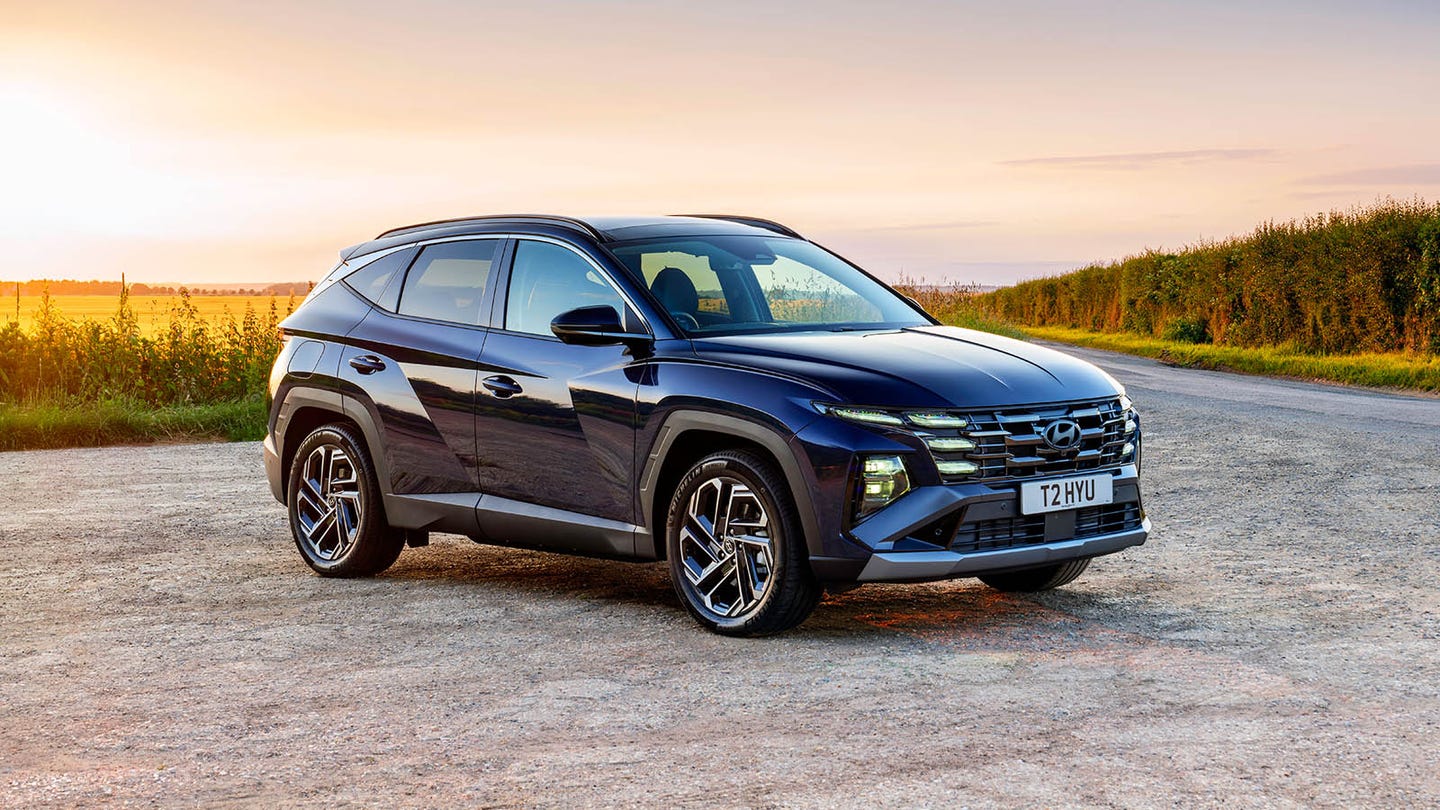
The Hyundai Tucson is one of the best mid-size SUVs you can buy

